01
Concept & narrative
I shape the idea, tone, emotional arc, and story direction before a shoot begins.
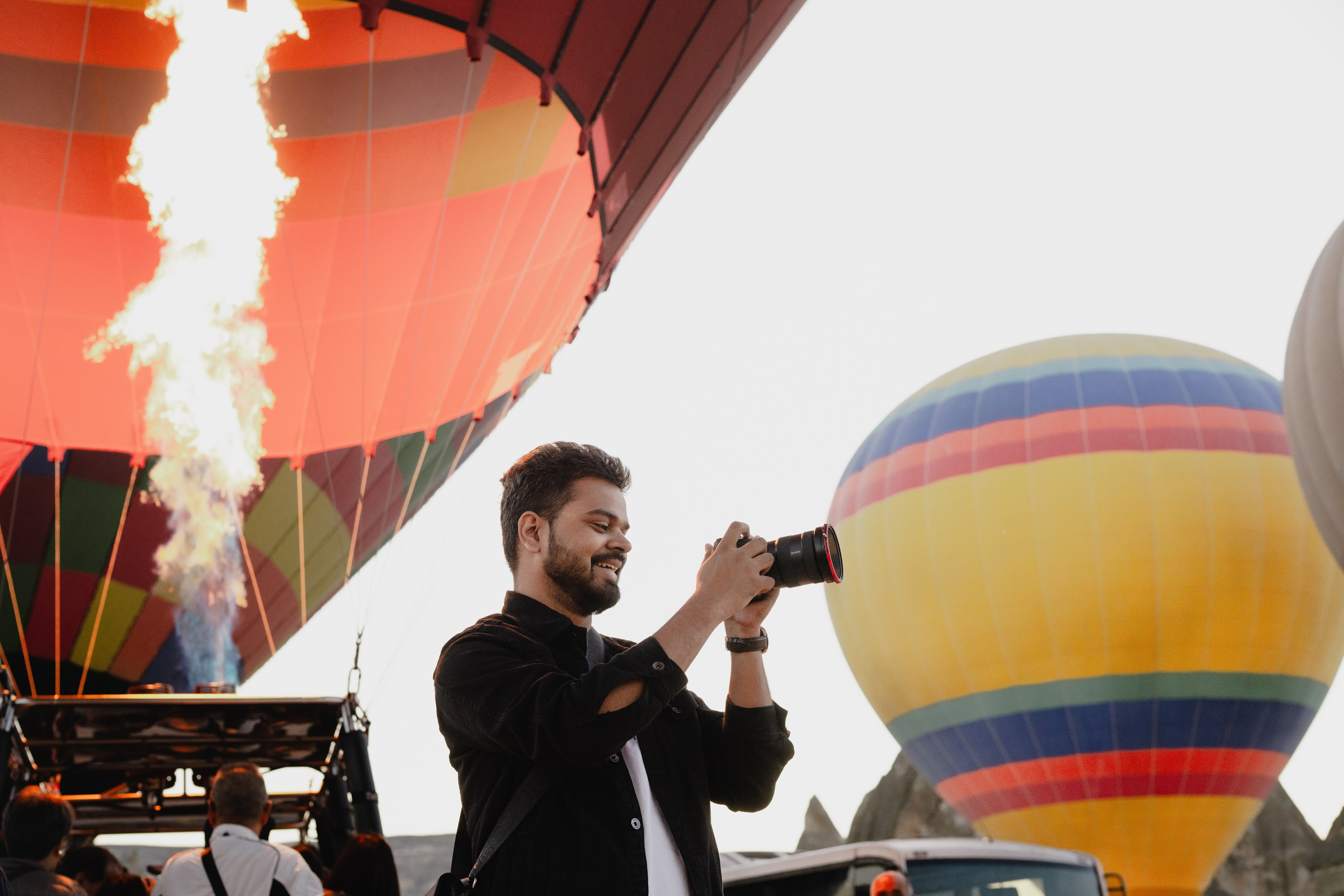
Chapter II
Learning how to lead bigger productions without losing the story. Scale, planning, and execution under pressure.
BRAND FILM
The Brief
Sony India needed a brand film that showed what their professional camera lineup could actually do in the hands of working filmmakers. Not a product demo. Something that felt like a real production.
The Result
A brand film that works as both a product piece and a cinematic one. The two do not have to fight each other.
The Approach
I wrote the script from scratch, building a story that put the gear in the context it belongs in rather than putting it on a pedestal. Then I produced the whole thing. Concept, storyboard, team, shoot, post. All of it.
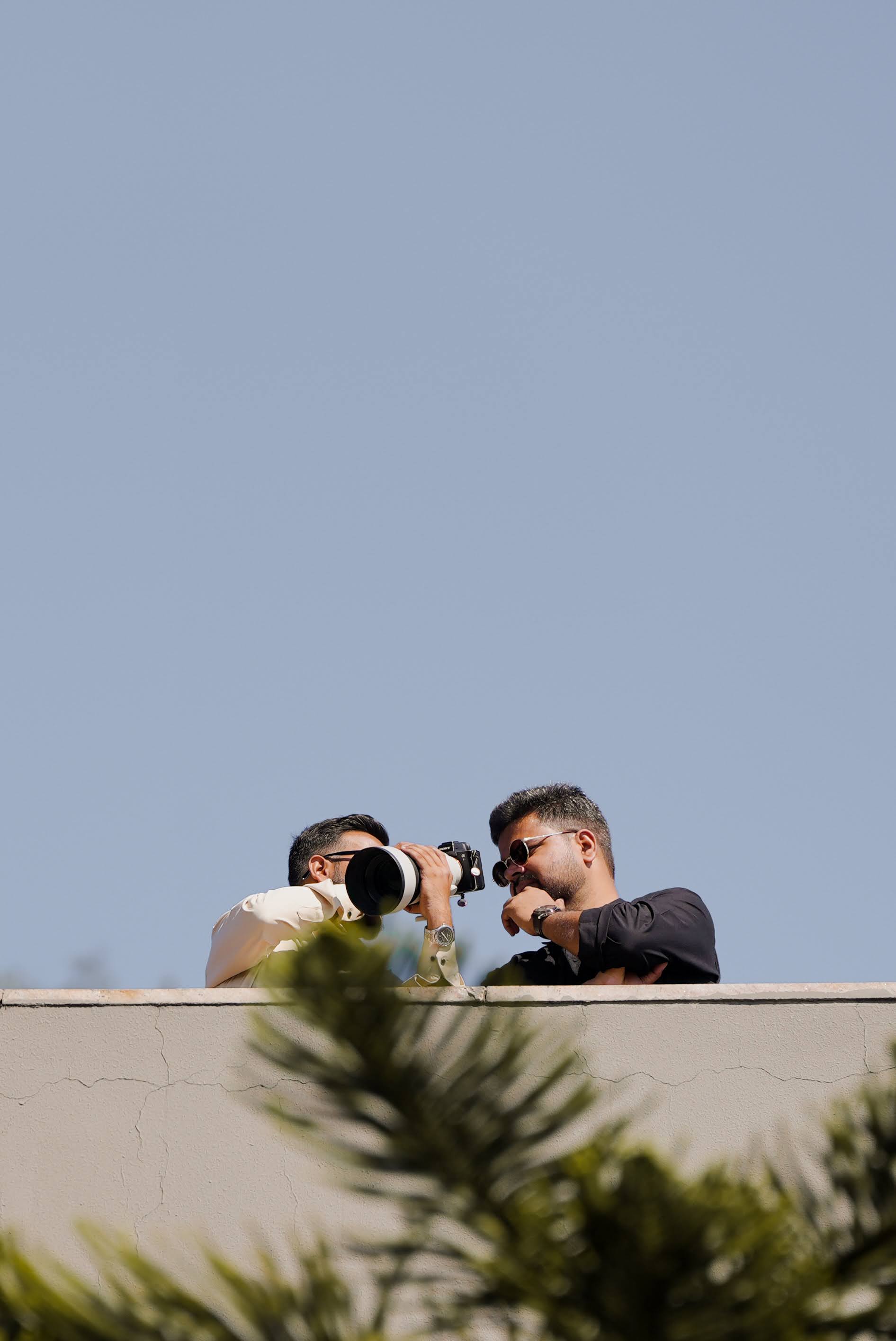
What I Do At CineLove
At CineLove, my role sits between storytelling, direction, production planning, and client experience. This chapter is where the work became larger in scale and sharper in responsibility, asking me to build narratives, align teams, solve in real time, and keep the emotional core intact under pressure.
My role at CineLove moves across the full lifecycle of a project, from concept to execution to the final film. The work is broad, but these are the responsibilities I return to most often.
The two case studies below are examples of how that broader role shows up in real projects.
01
I shape the idea, tone, emotional arc, and story direction before a shoot begins.
02
I plan locations, timing, movement, styling, and sequences so the visuals have intent.
03
I direct energy, interactions, and rhythm on shoot days instead of relying on static posing.
04
I brief photographers, cinematographers, editors, and production so execution stays consistent.
05
I translate creative ideas into something clients can trust, understand, and feel part of.
06
I stay involved in the edit so pacing, music, and narrative flow still feel intentional.
How This Shows Up In Practice
The role itself is broad, so I did not want this chapter to stay abstract. These two projects are a more specific way to show how that thinking plays out in real situations.
One comes from pre-wedding planning across borders. The other comes from a wedding that changed the way I think about direction. Together, they show the kind of work I am trusted to step into and shape.
Case Study 01
A broader example of how I think through destination pre-weddings before anything is booked or shot.
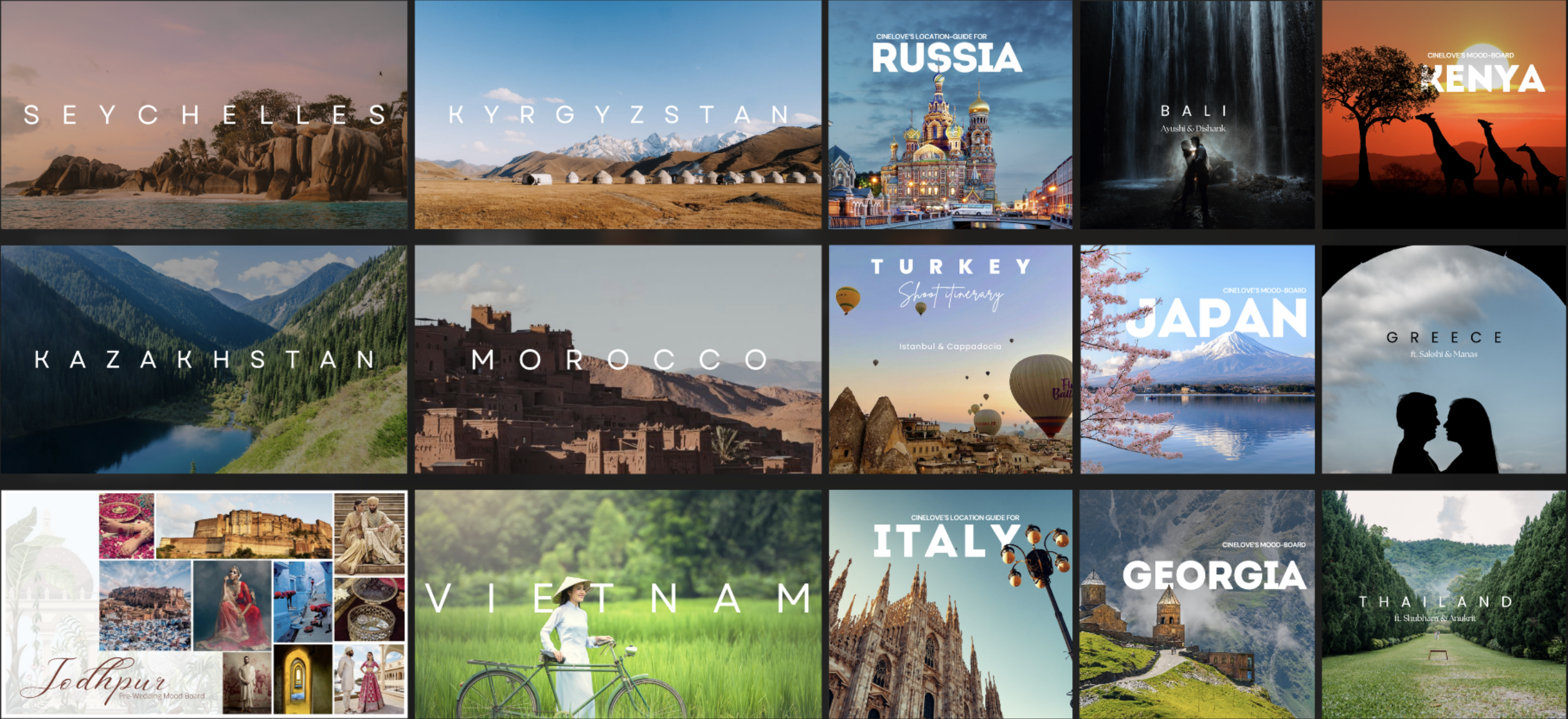
Planning across borders starts much earlier than the shoot itself. It begins with understanding the couple, the kind of world the story needs, and which locations can actually hold that feeling once timing, access, weather, commute, permits, and energy are taken into account.
A lot of that work lives in research, destination boards, route thinking, visual references, local coordination, and understanding what is practical without flattening the idea. The point is not just to find a beautiful place. It is to find a place that can carry the story and still work in real conditions.
These boards are a small window into that larger process. They reflect some of the destinations I’ve explored and planned pre-weddings around while shaping different kinds of narrative possibilities for different couples.
Japan Example
A closer look at how one destination pre-wedding kept evolving before it finally happened.
Some projects come together quickly. This one took nine months, three couples, and multiple iterations before it finally came to life.
It started in January as a pre-wedding plan for one couple and didn’t materialise. The same plan evolved again for another couple in May and September, and still didn’t happen. But the process continued.
Eventually, in late September, the project was executed with Snehil & Nishu, carrying everything that had been built, tested, and refined over months.
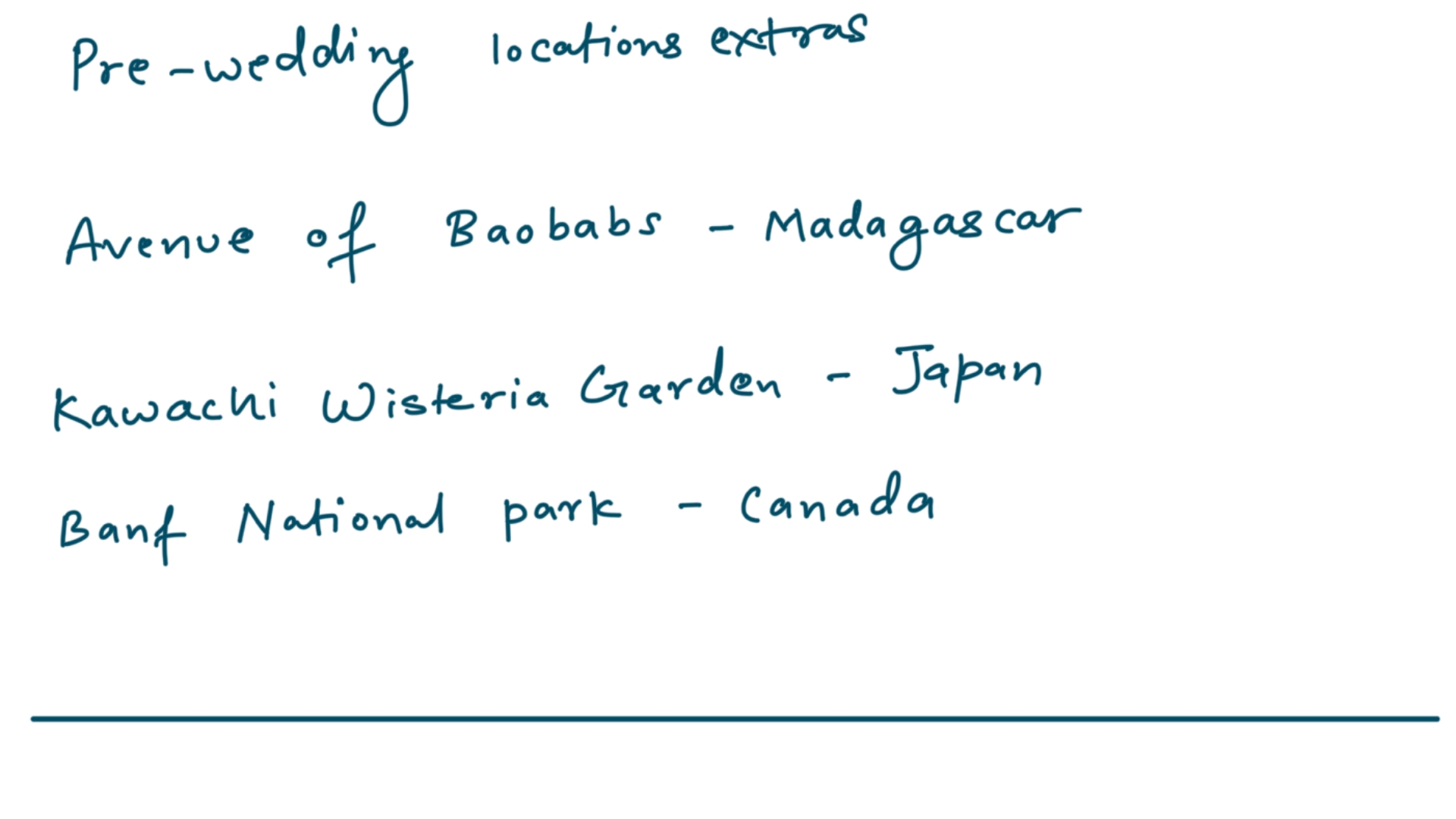
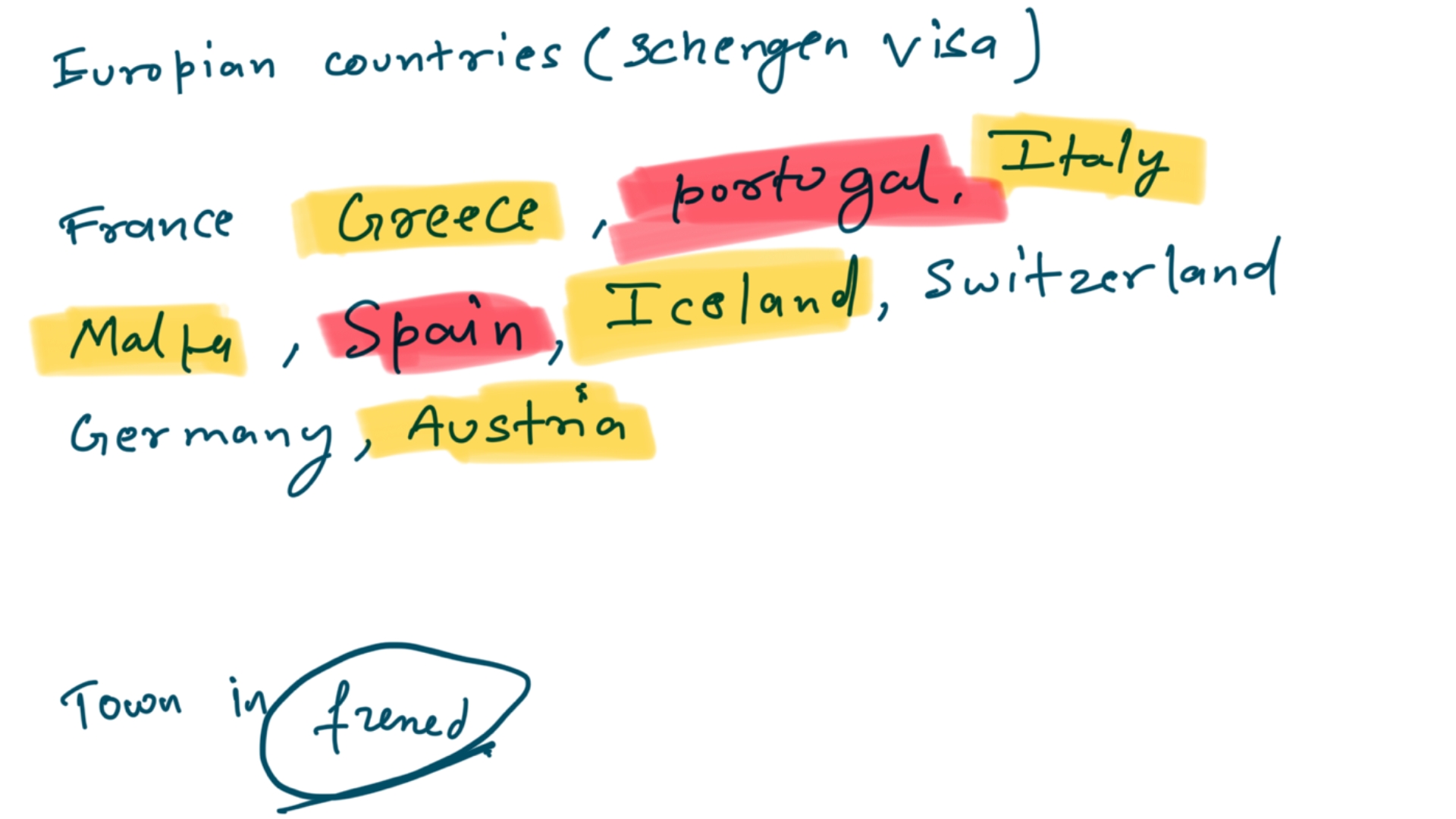
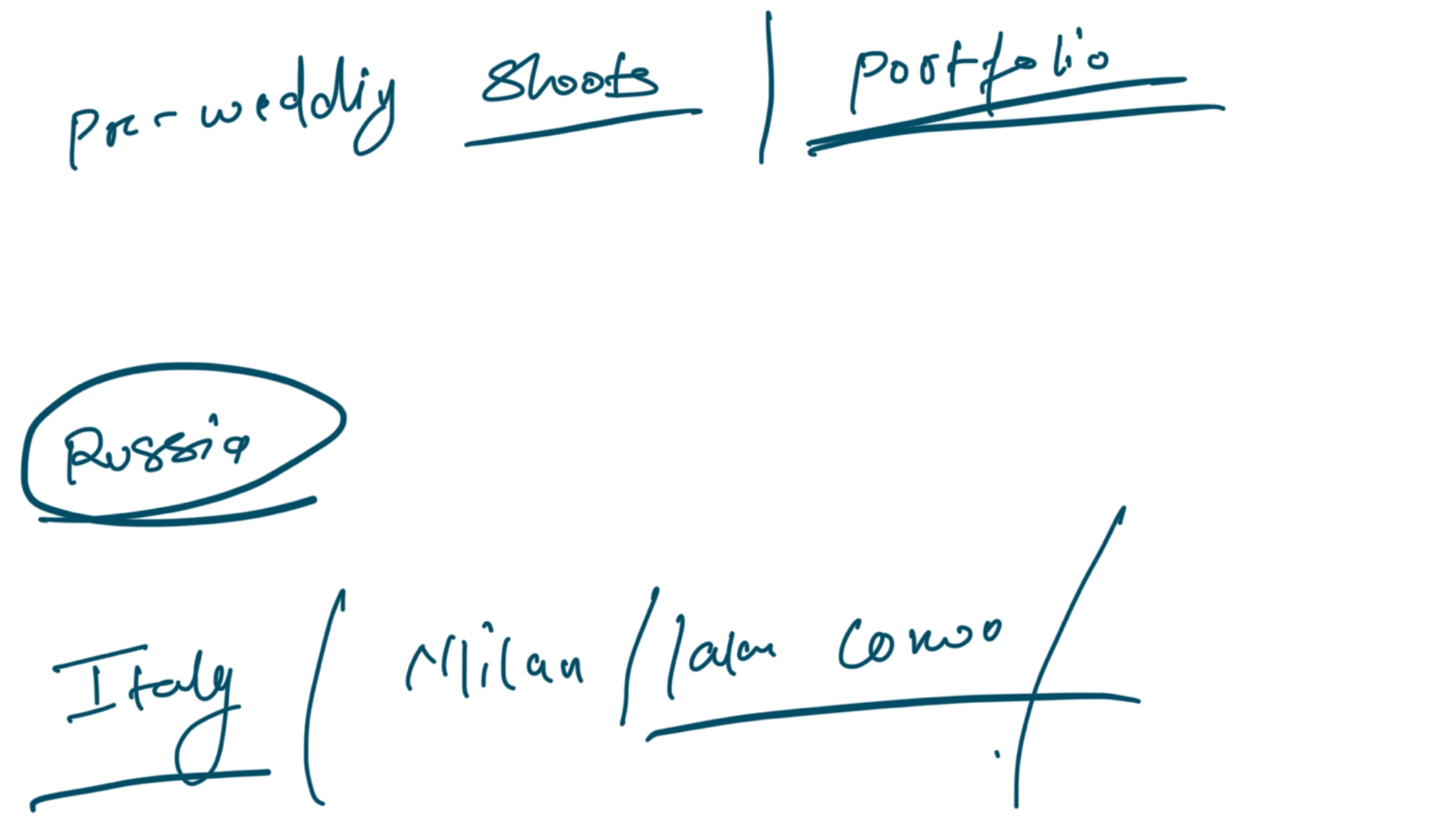
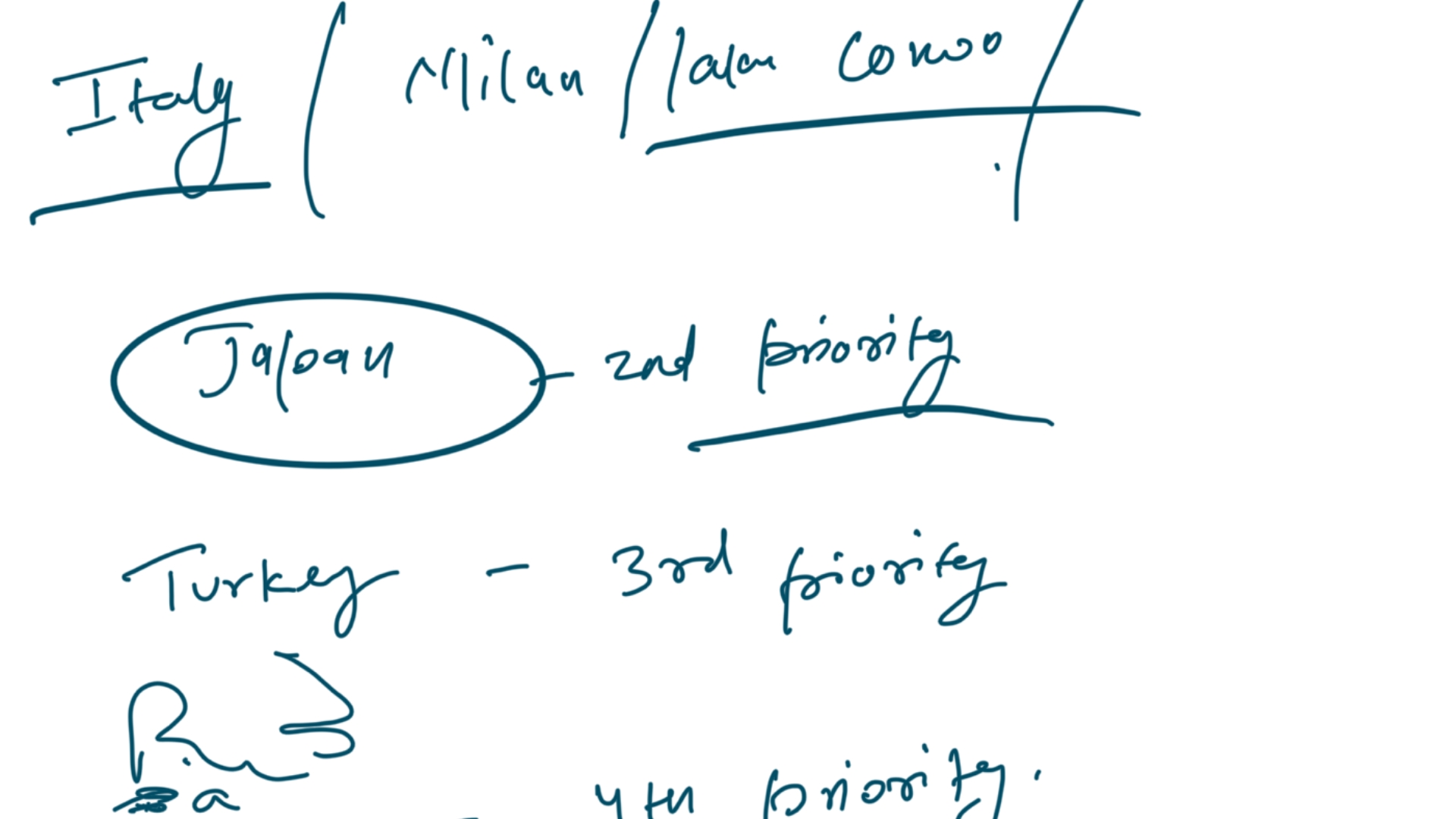
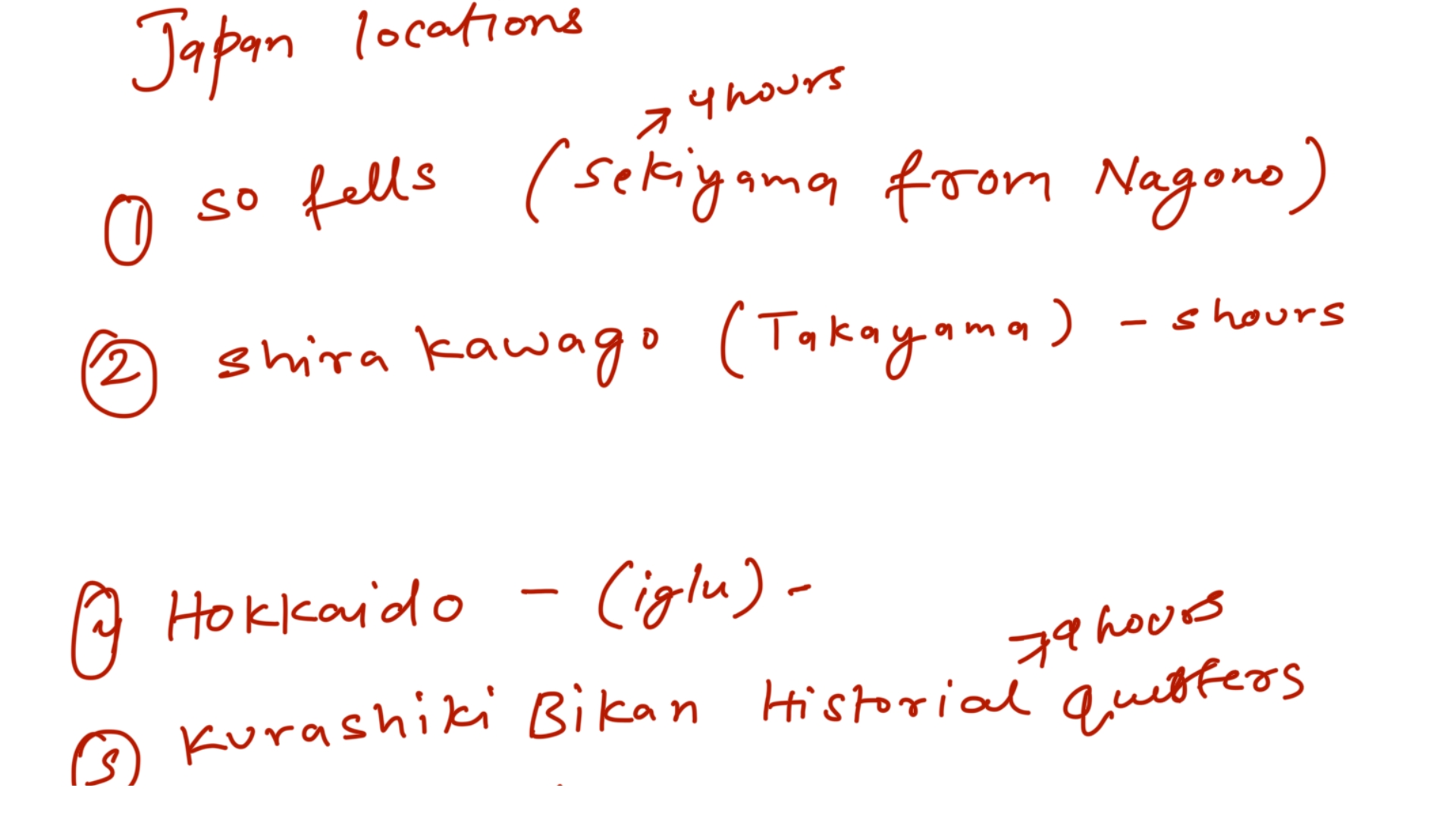
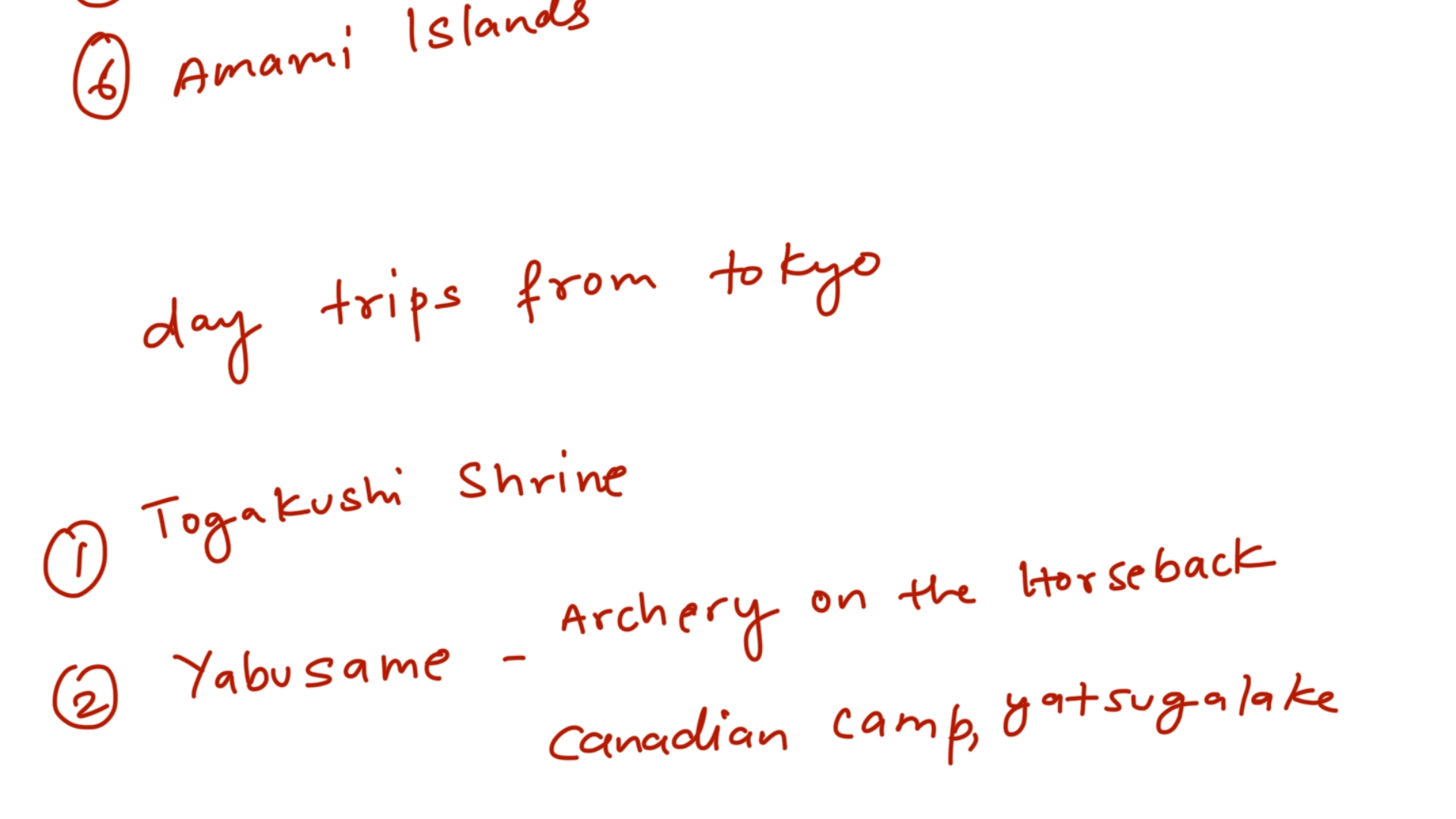
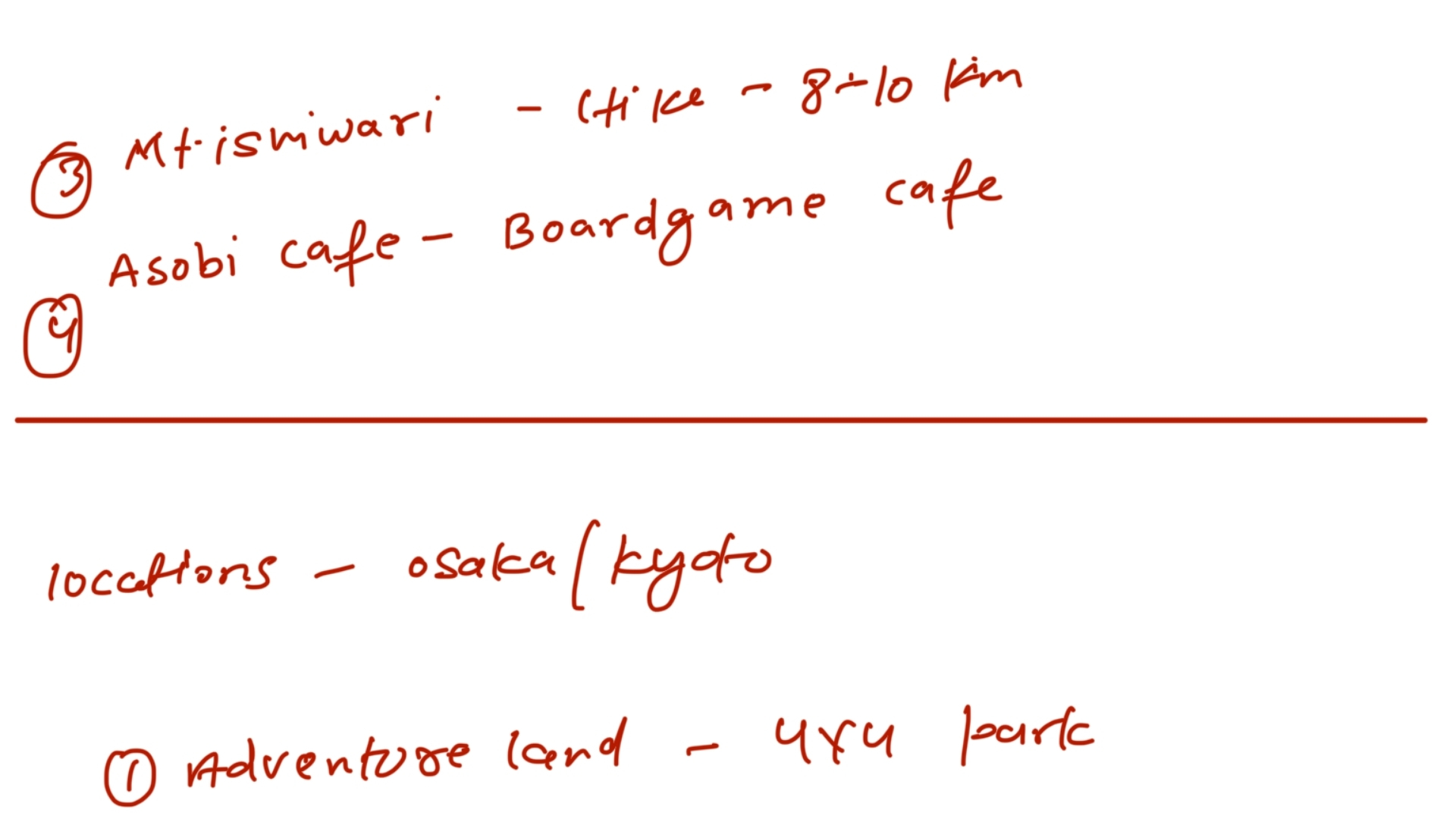
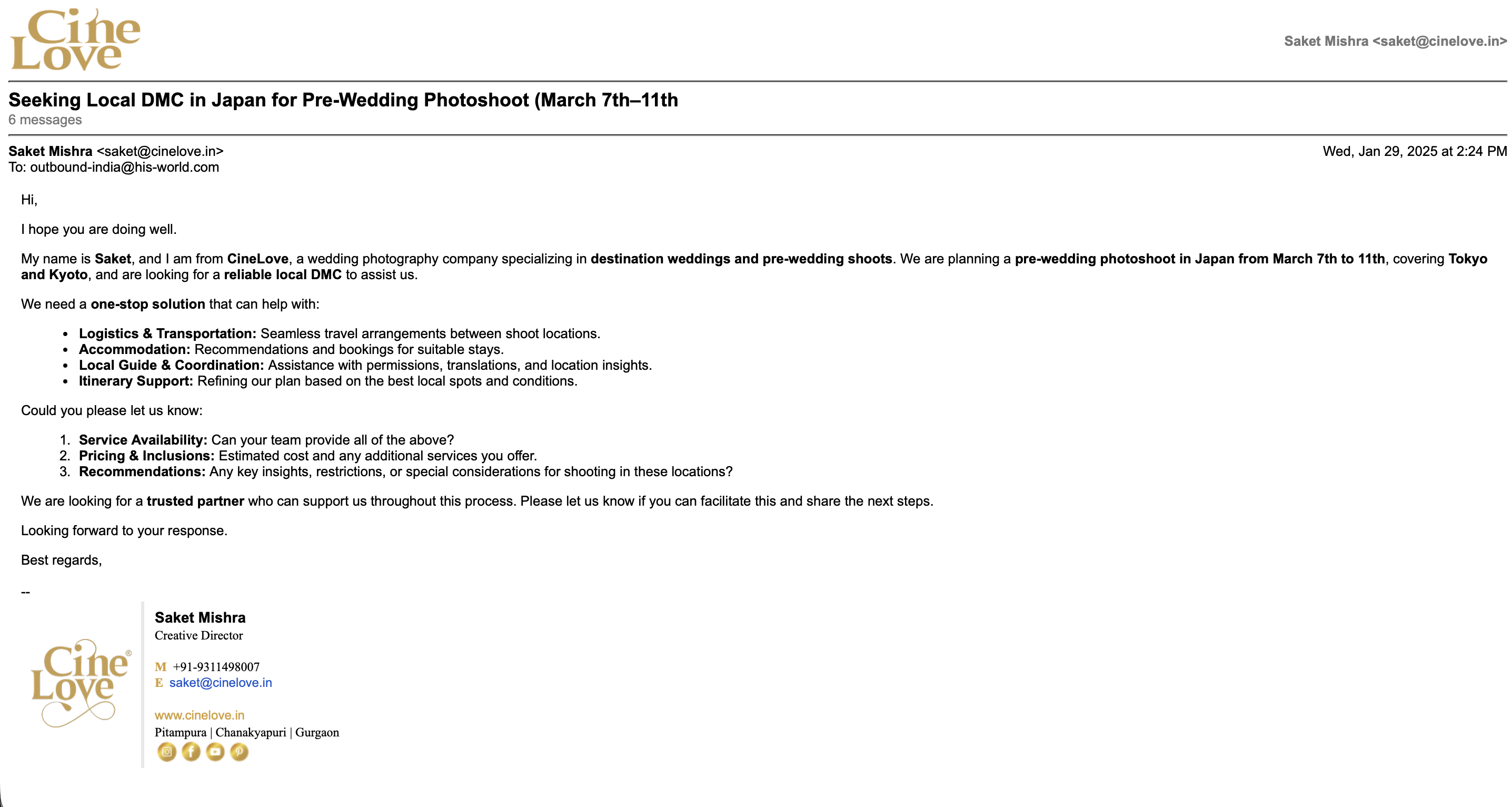
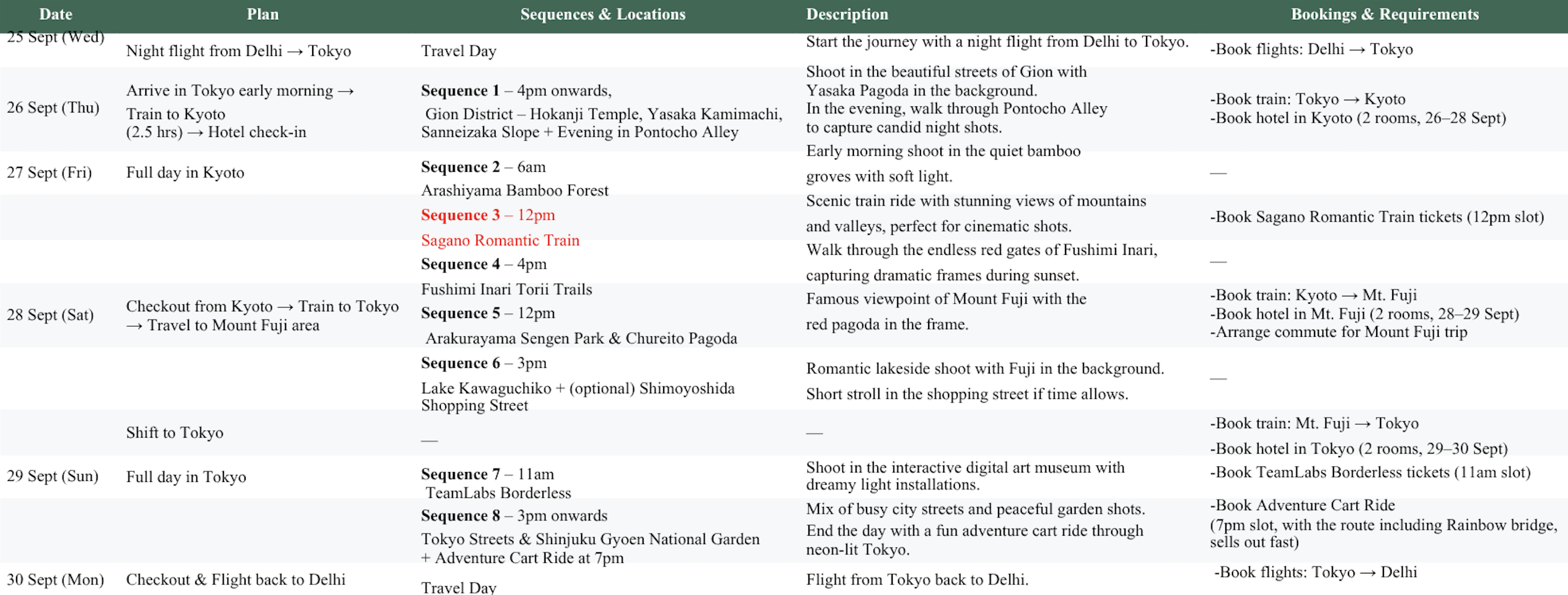
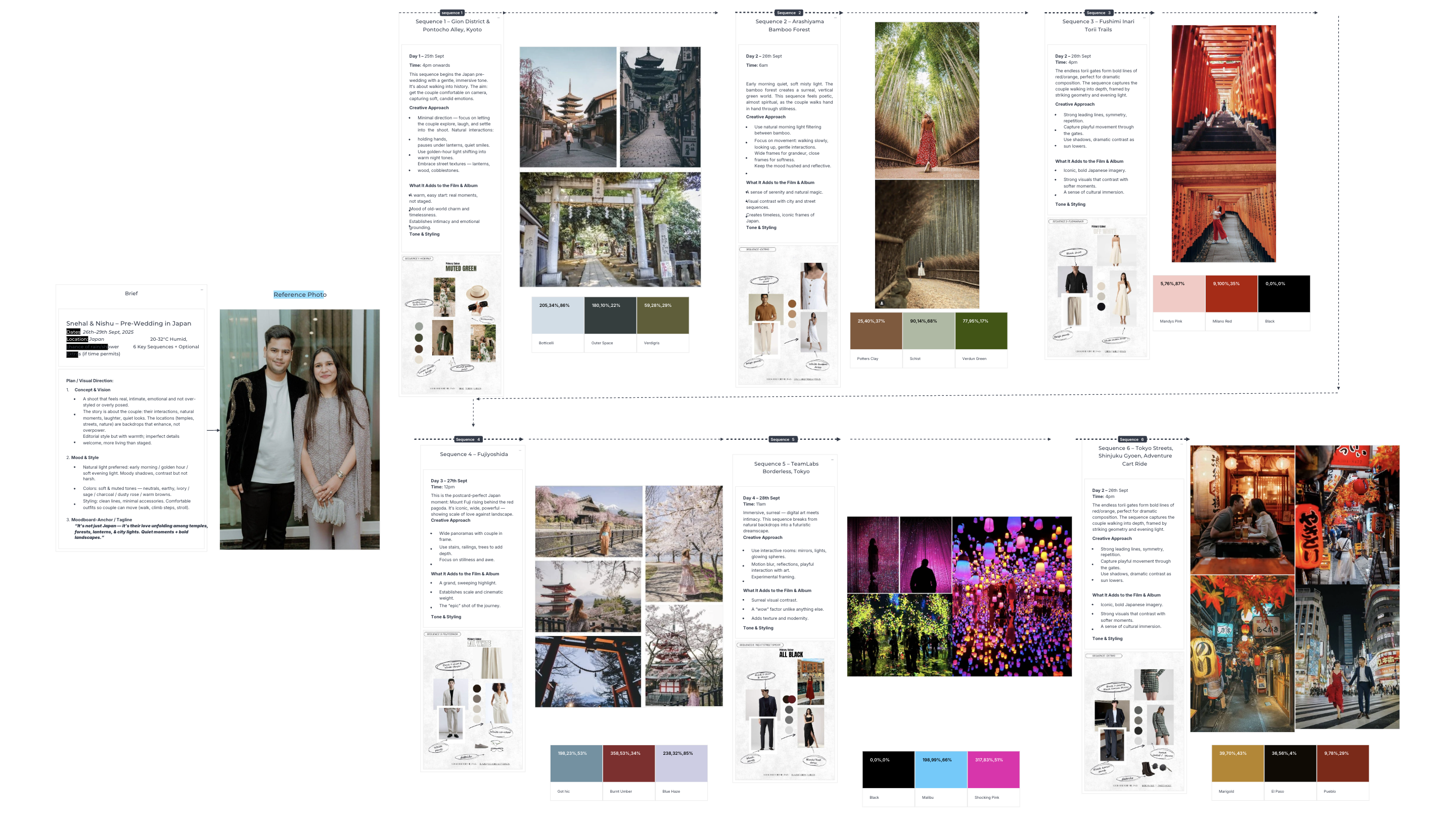
Nine months is a long time to keep planning something that has not happened yet. What kept it going was not optimism. It was the fact that the research was solid, the location logic was right, and the production framework was built to survive the restarts. When the right couple finally came and the conditions aligned, nothing needed to be rebuilt from scratch. That is what pre-production is actually for.
Case Study 02
This wedding became an important example of how I think about direction now.
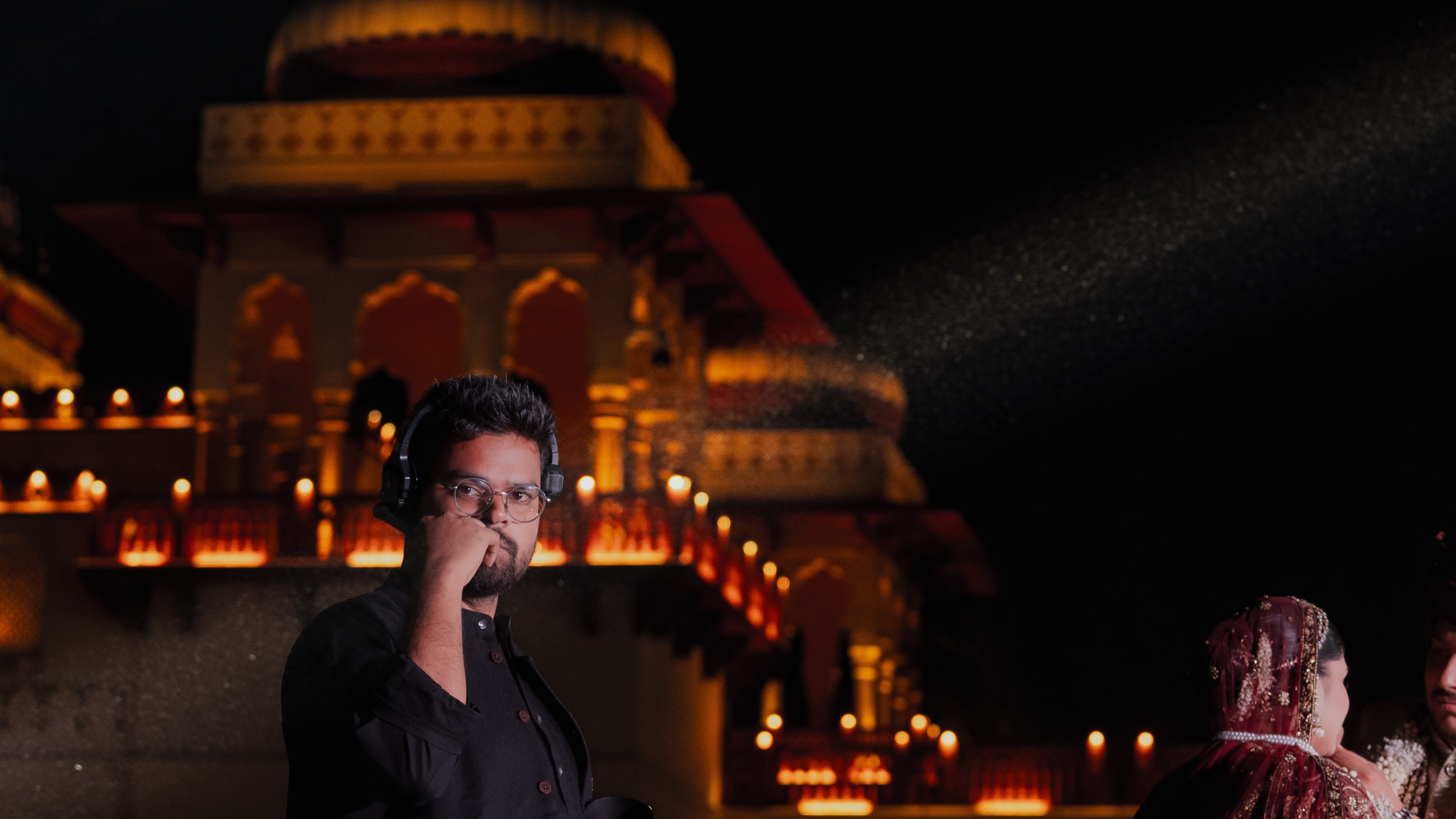
One ambitious wedding idea changed the way I approached weddings altogether. It reminded me that the work is not to impose a concept on every moment, but to recognise where the real emotional anchors already are and build the film around them.
Since then, I’ve become more interested in directing energy rather than poses, shaping sequences instead of isolated shots, and helping the team stay aligned to a story rather than simply covering an event. That shift has influenced how I work with couples, how I brief teams, and how I think about the final film in the edit.
Wedding Example
A closer example of the project that pushed me away from scripted direction and toward observation.
The Idea
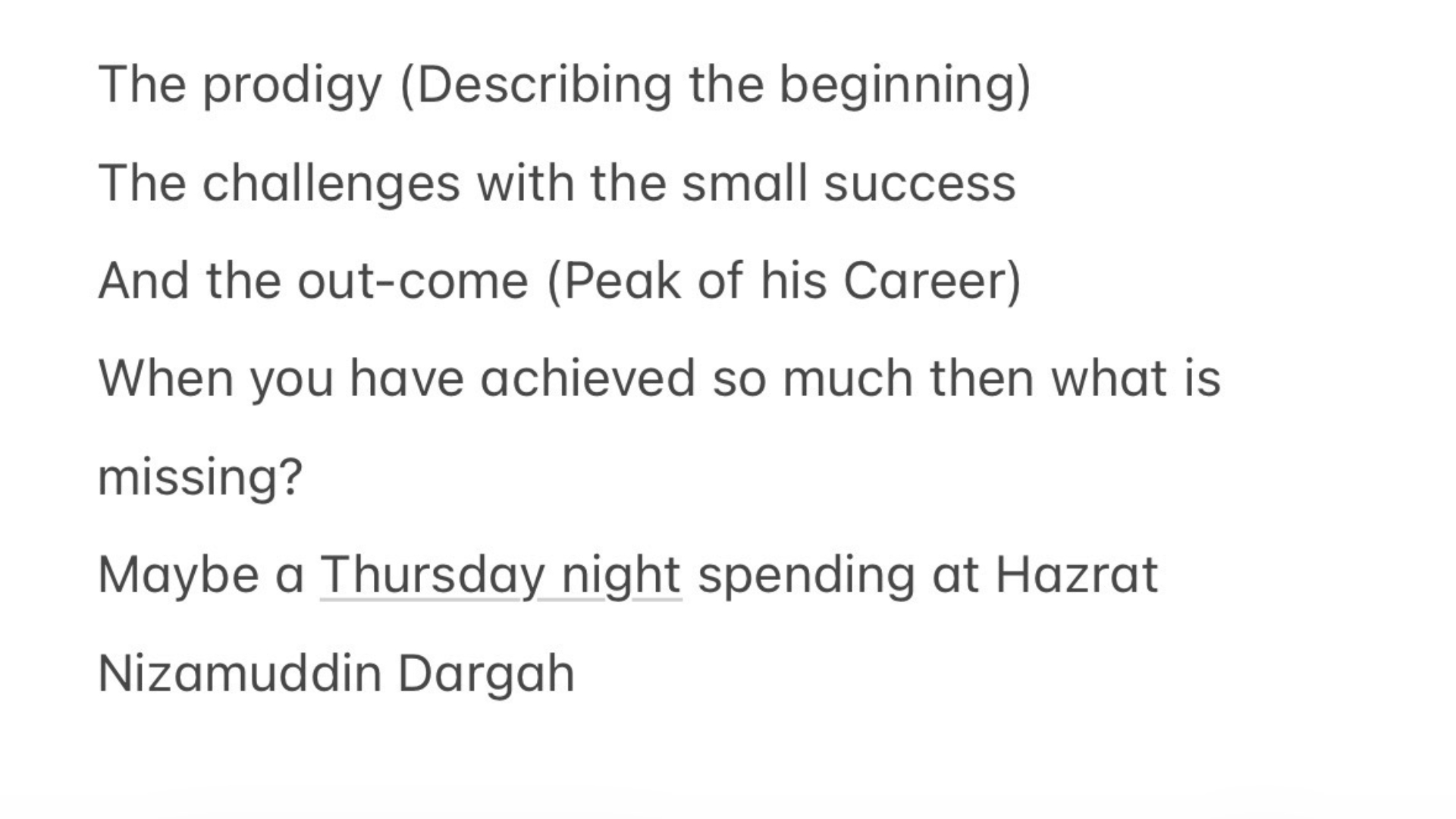
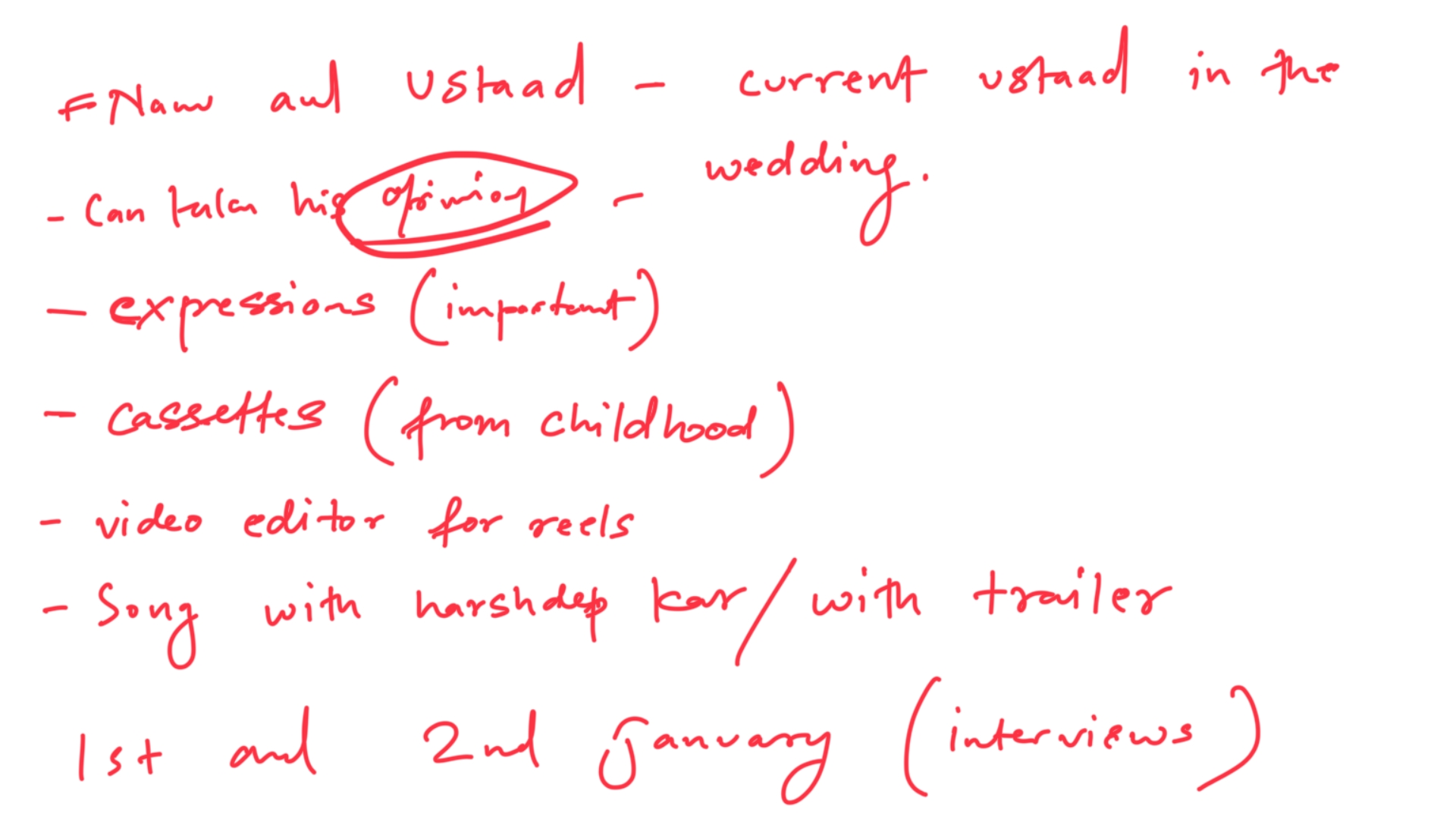
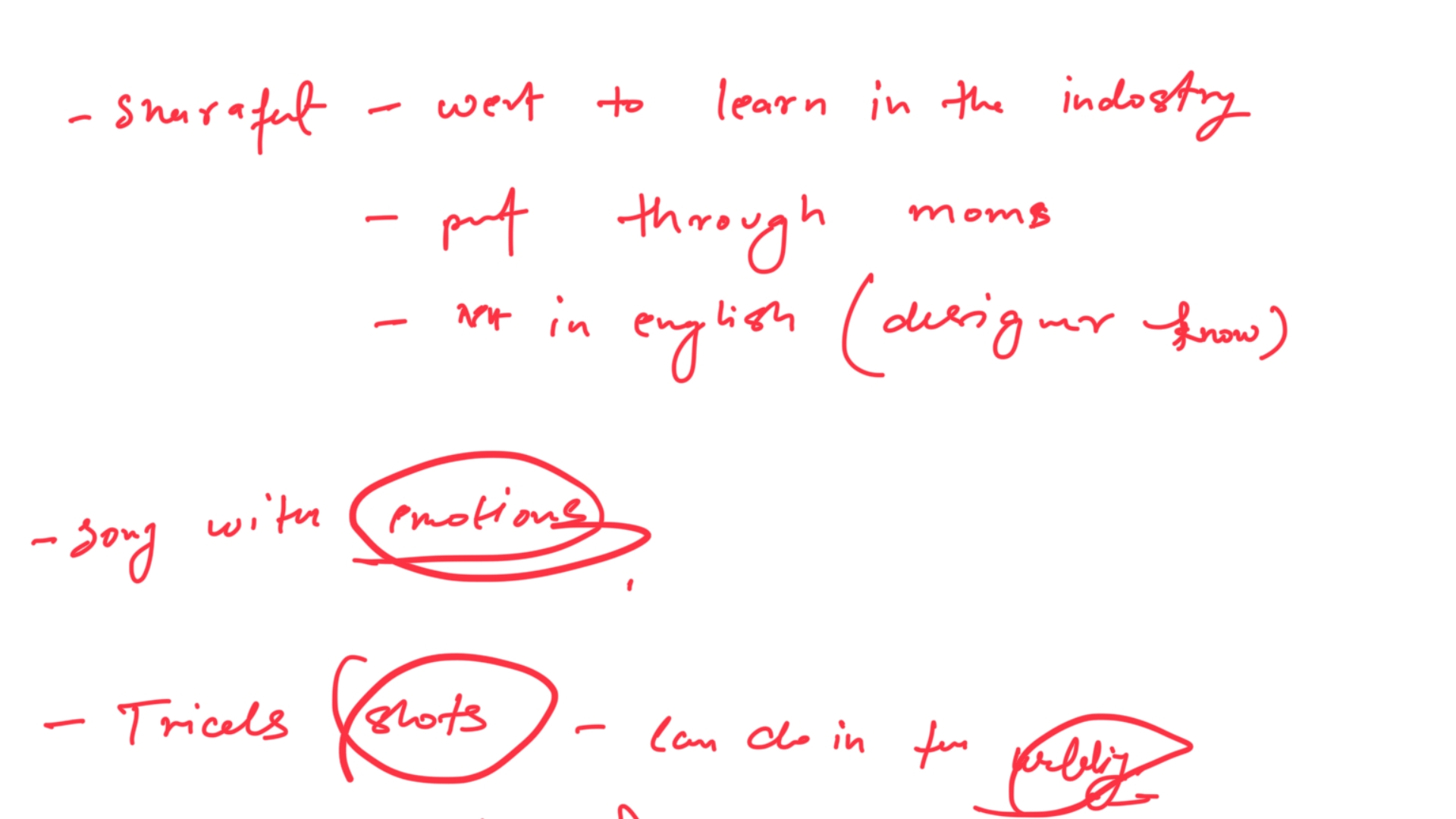
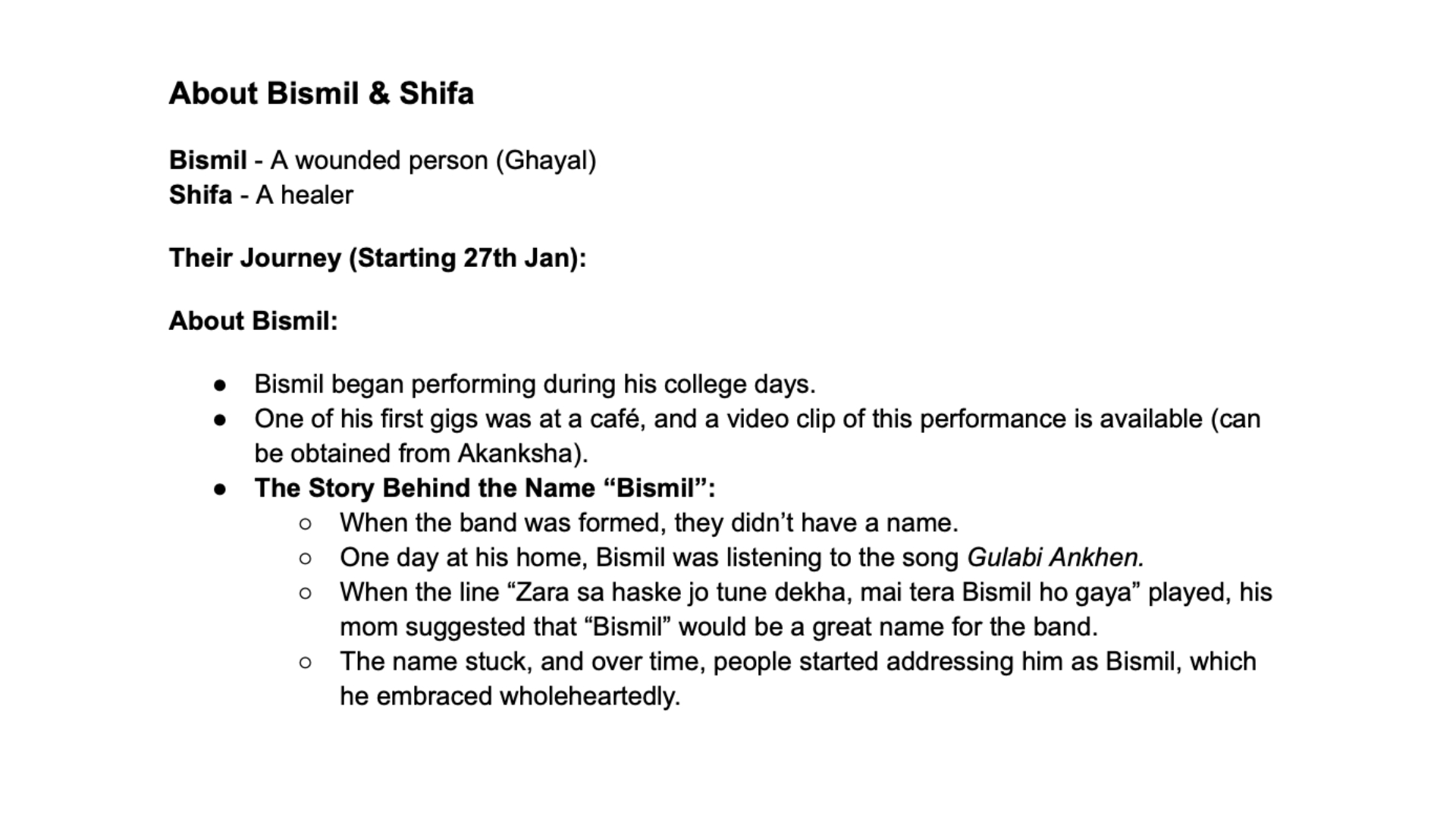
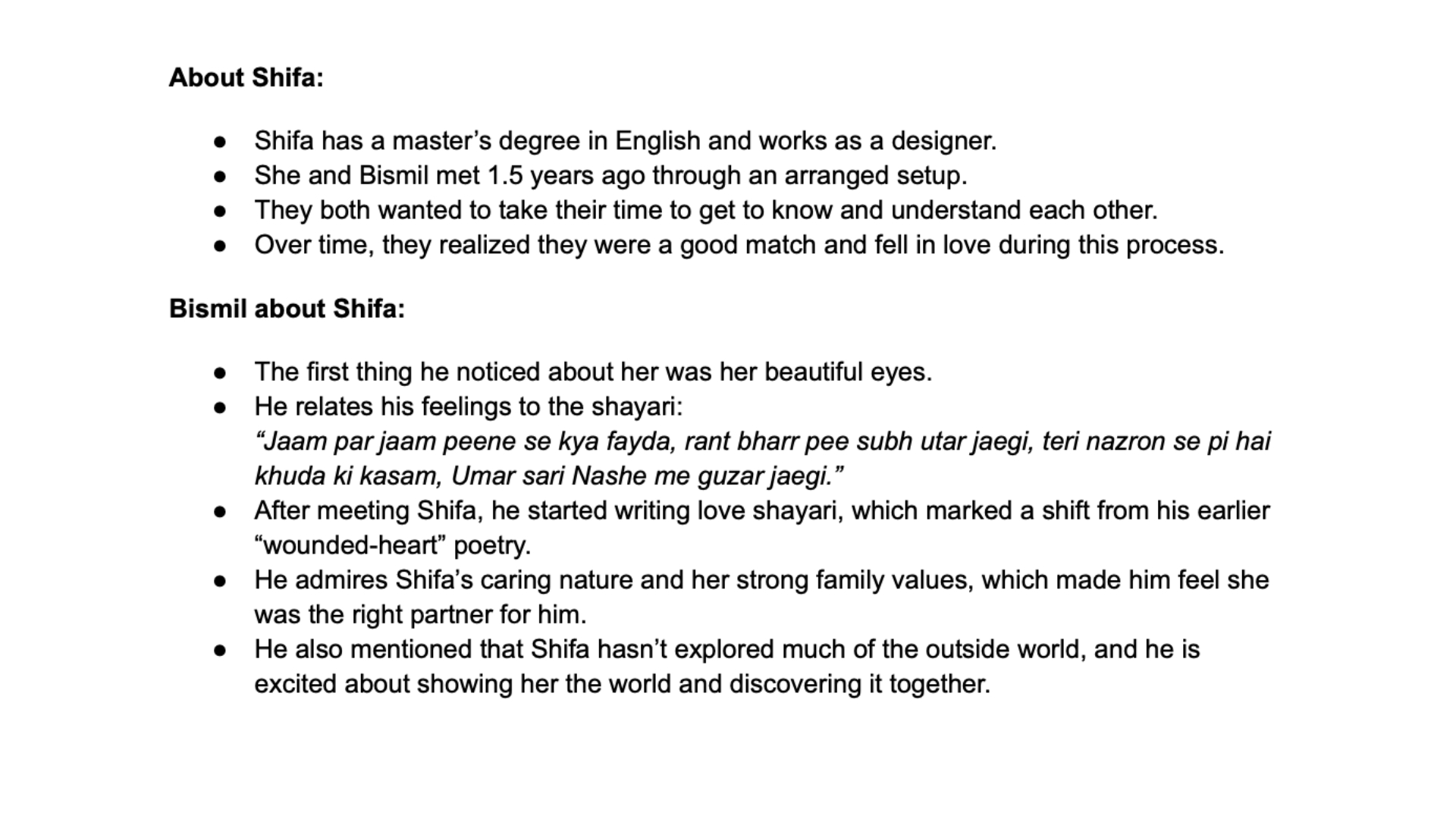
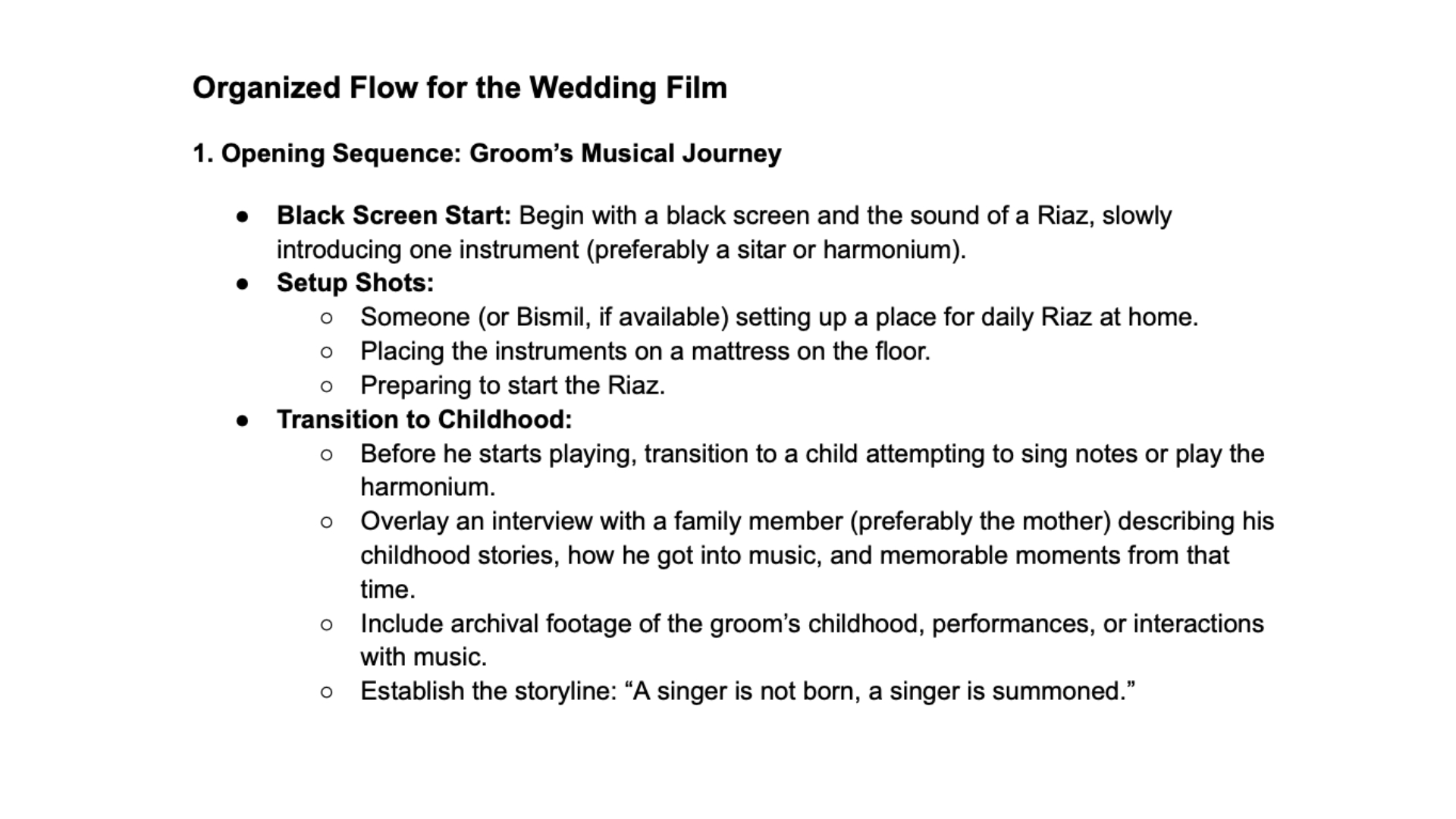
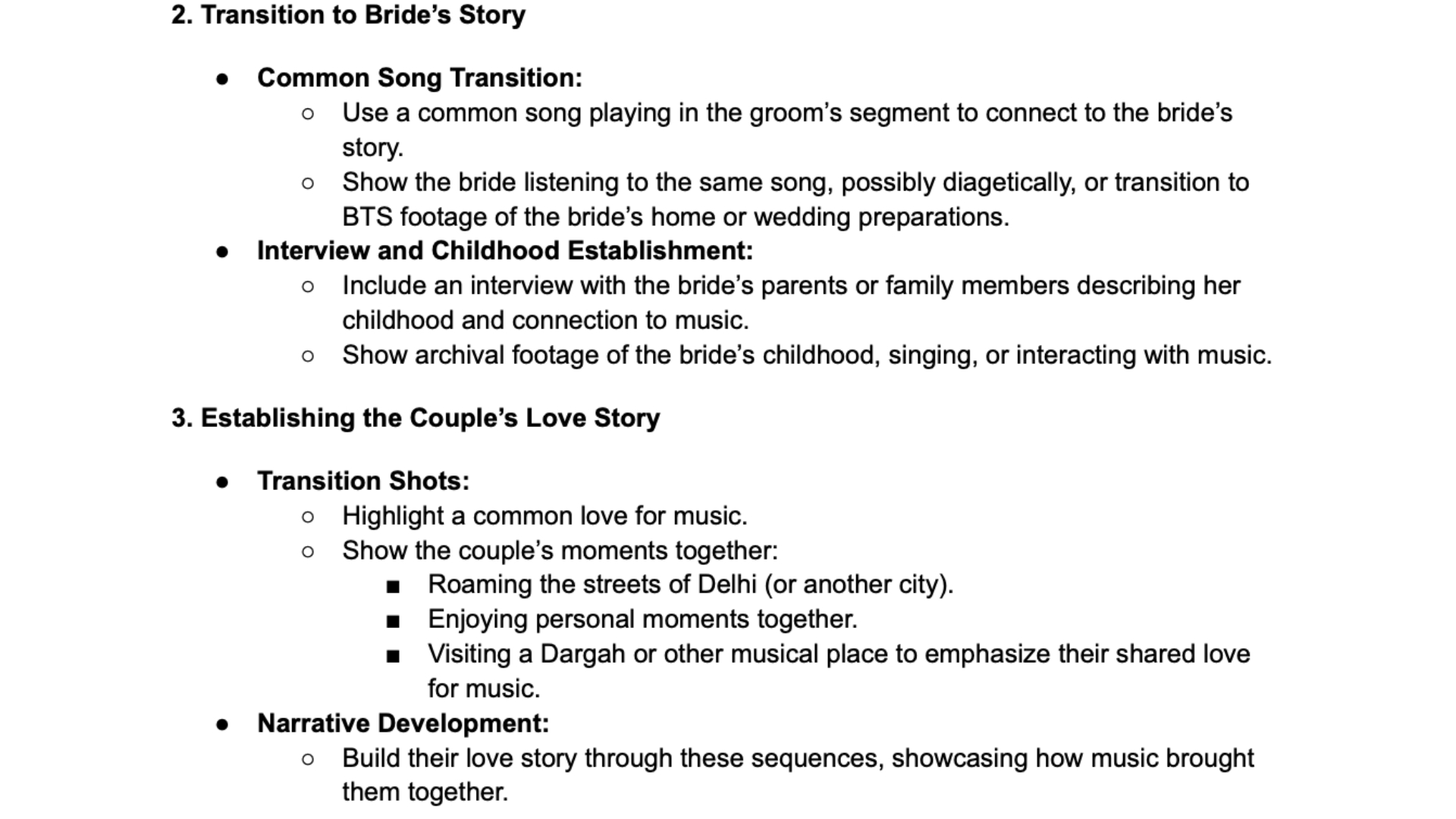
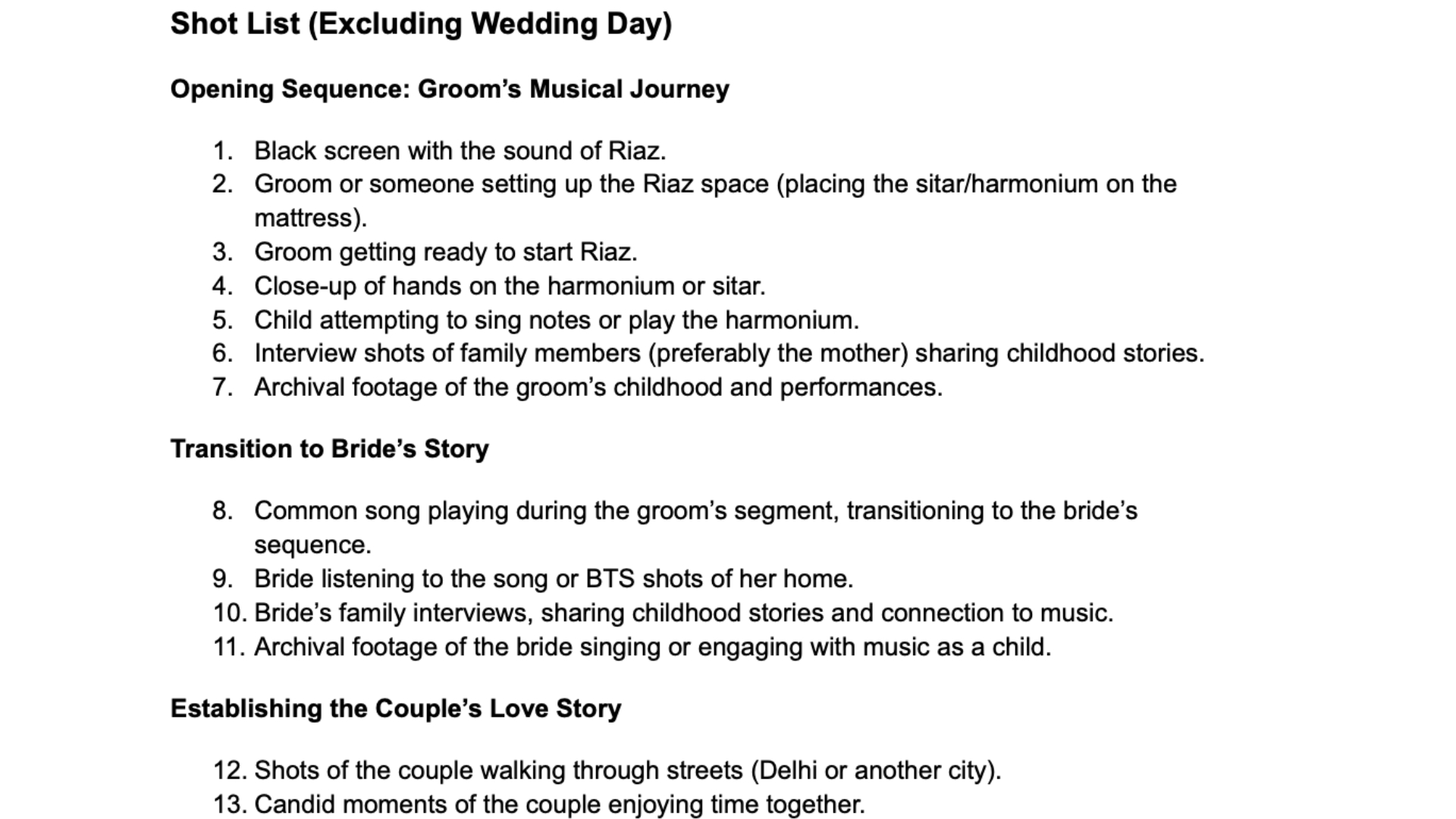
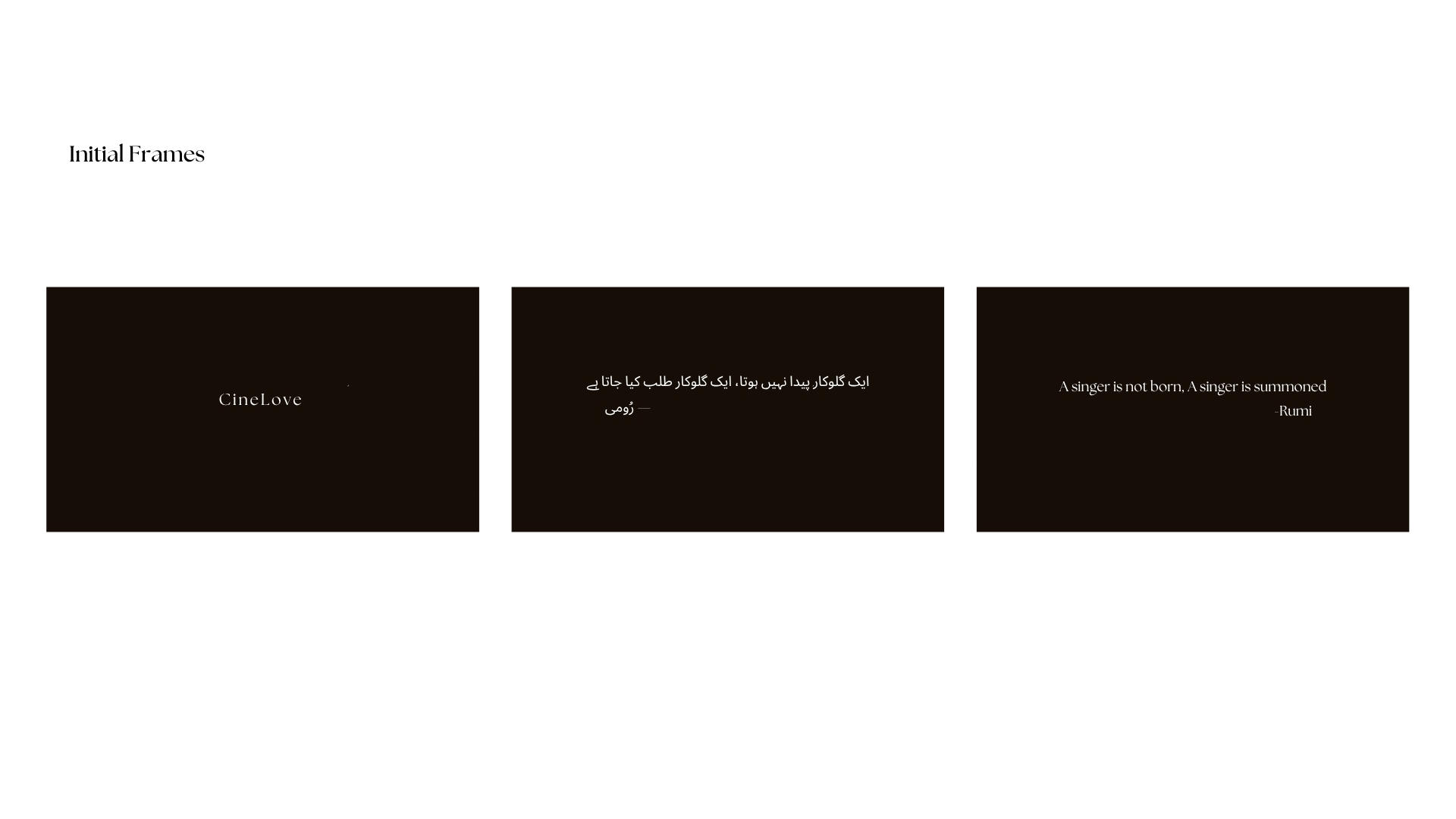
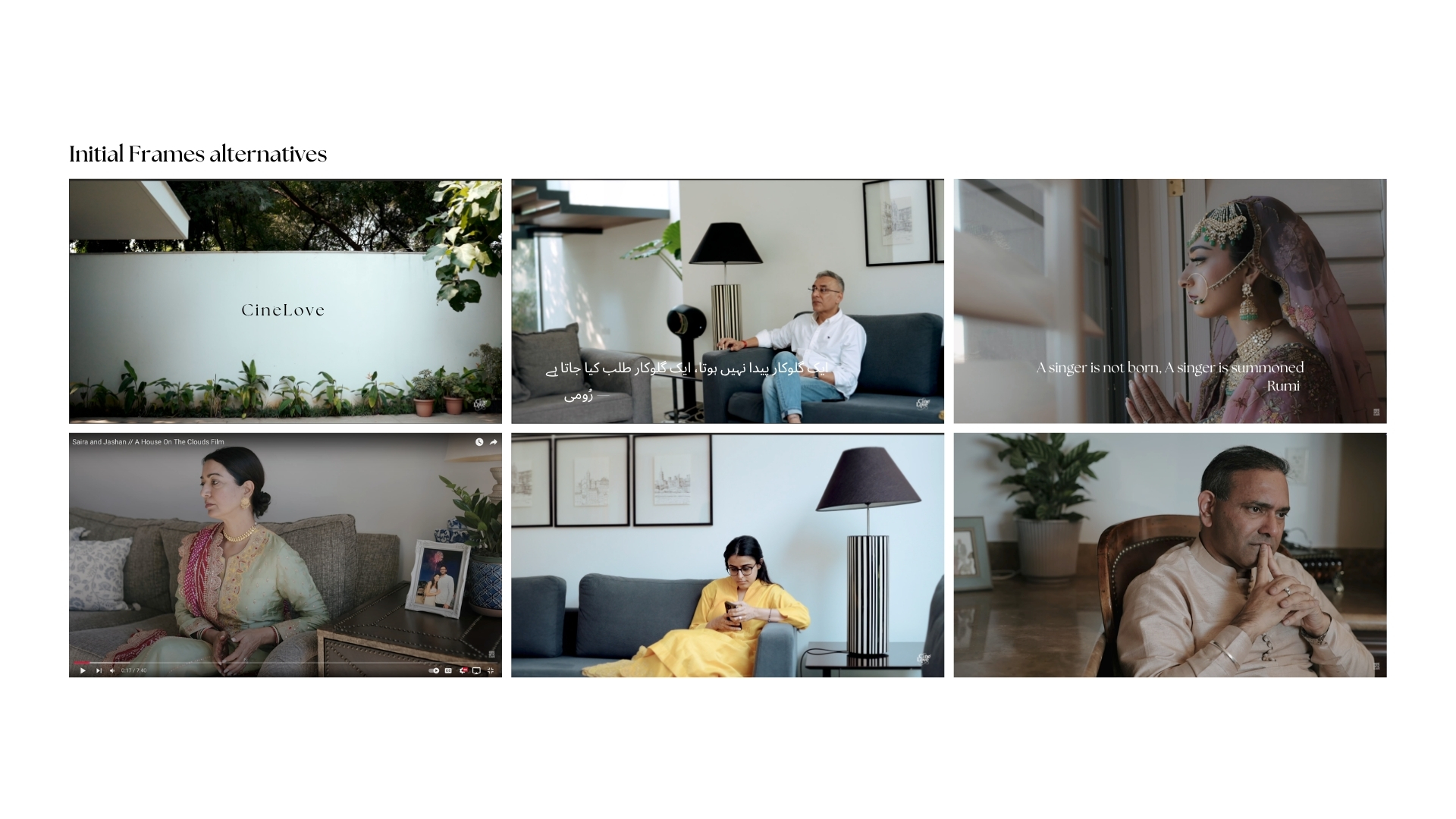
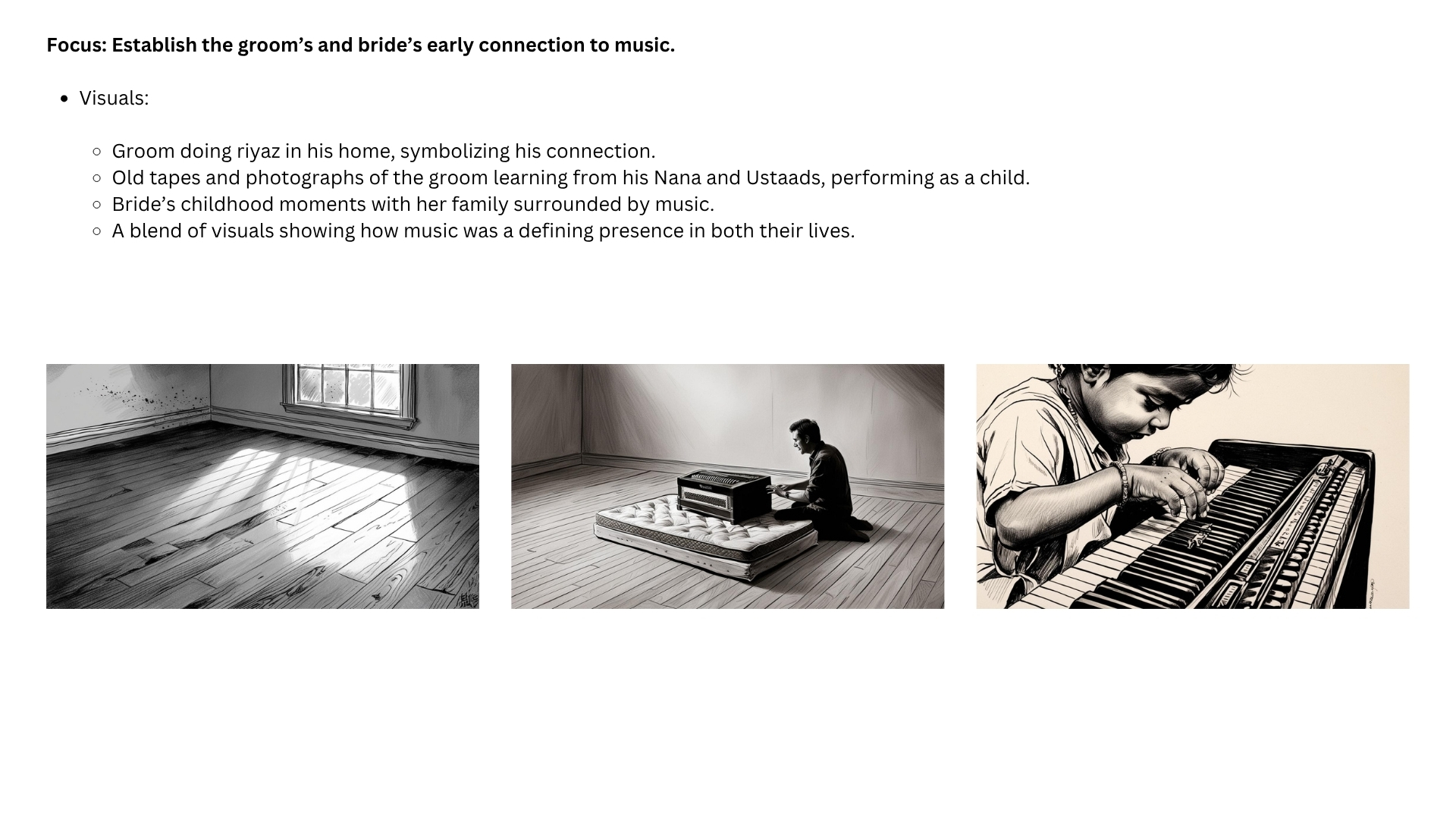
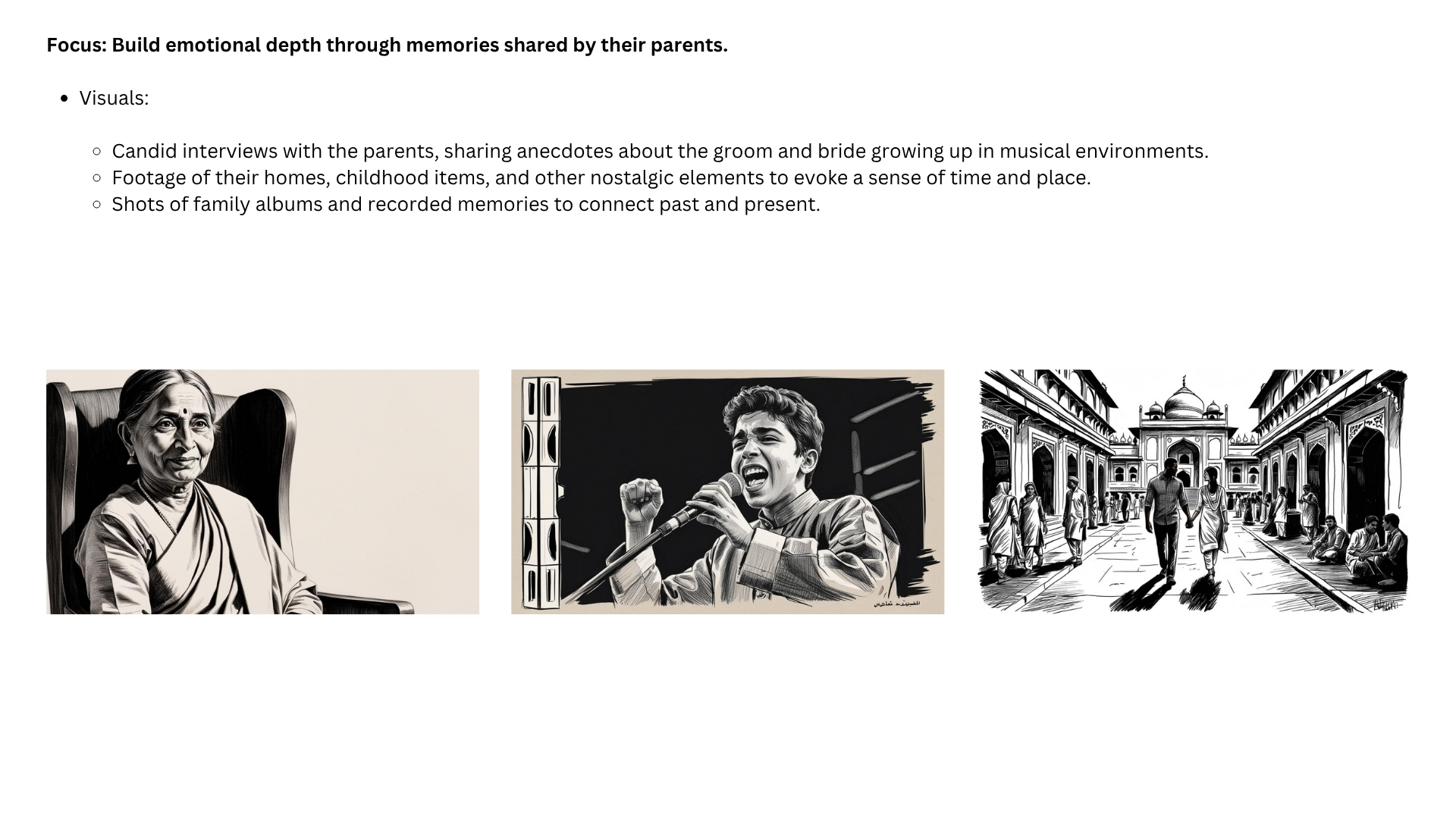
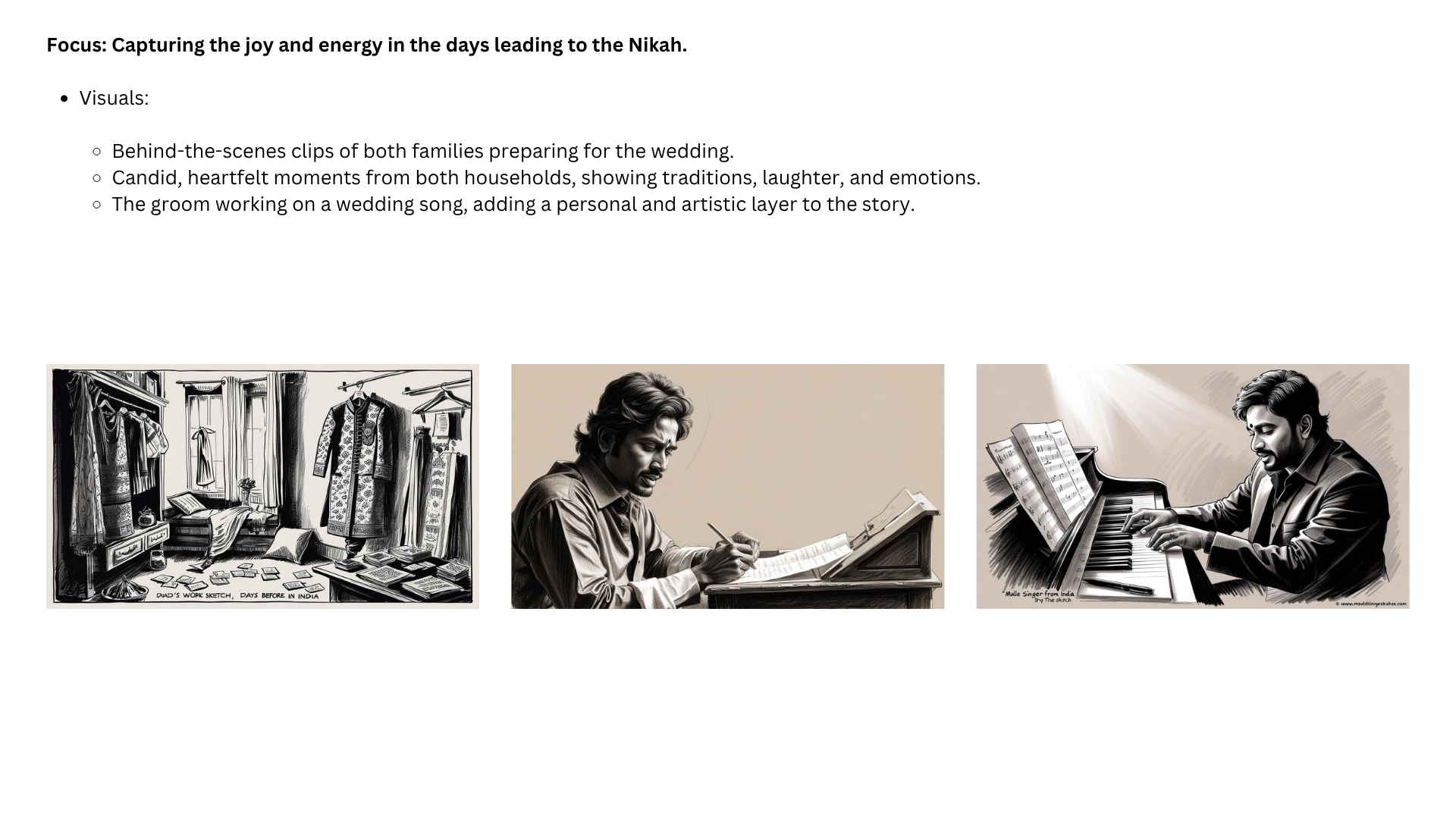
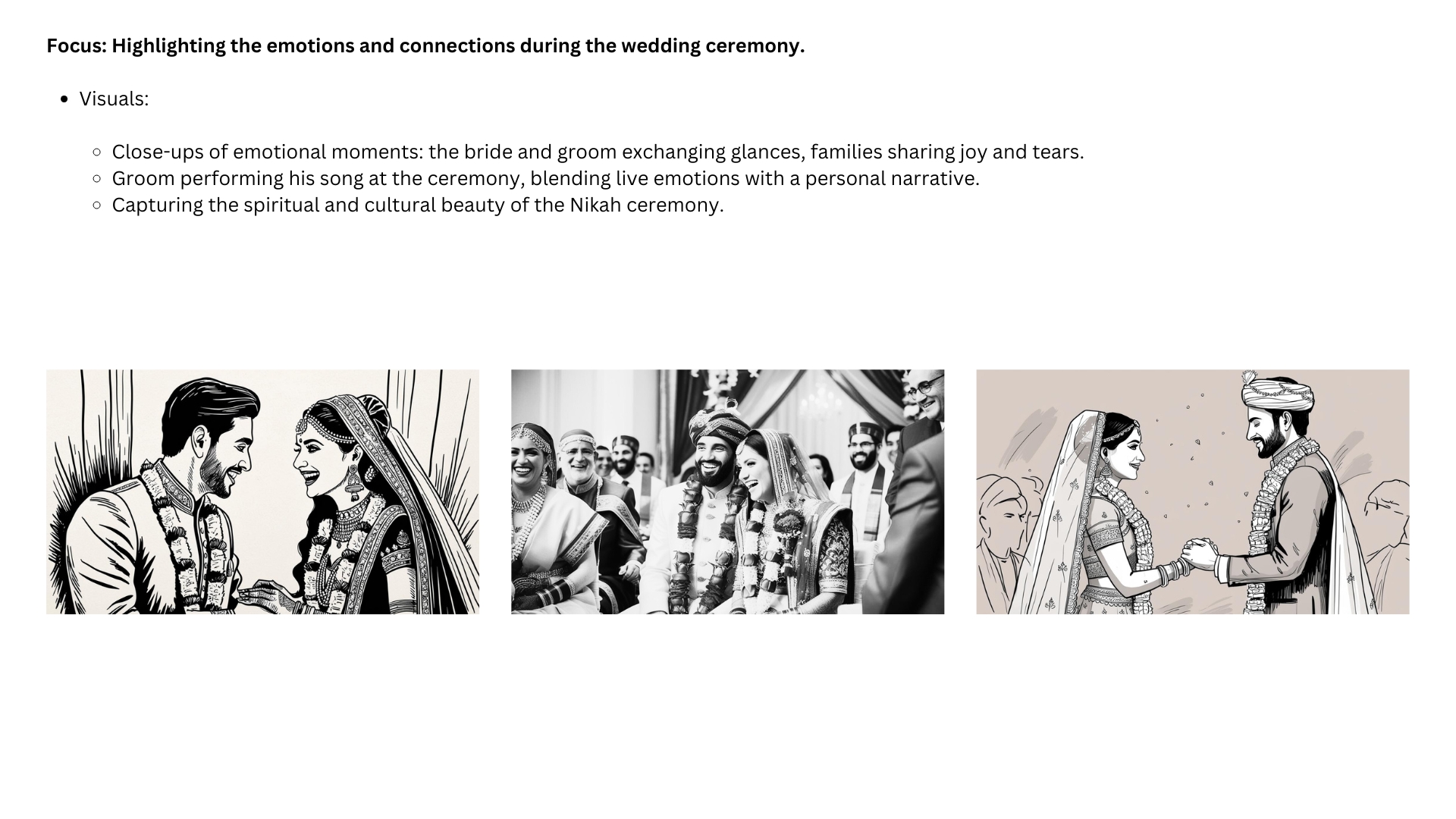
The groom was a well-known singer, and the plan was to approach the wedding like a documentary rather than traditional coverage. We built a narrative around his journey as a prodigy, with the wedding representing a turning point.
To support this idea, we prepared a script and a detailed shot list, planning sequences across different locations.
When It Fell Apart
Once the wedding began, reality took over. Timelines shifted, the environment changed, and the moments simply didn’t unfold as expected. In the end, none of the frames from the original shot list were captured.
The Lesson
That project changed everything. I realised that weddings shouldn’t be scripted like films. The real story already exists in the moments unfolding naturally.
Initial Notes, Ideas & Briefs
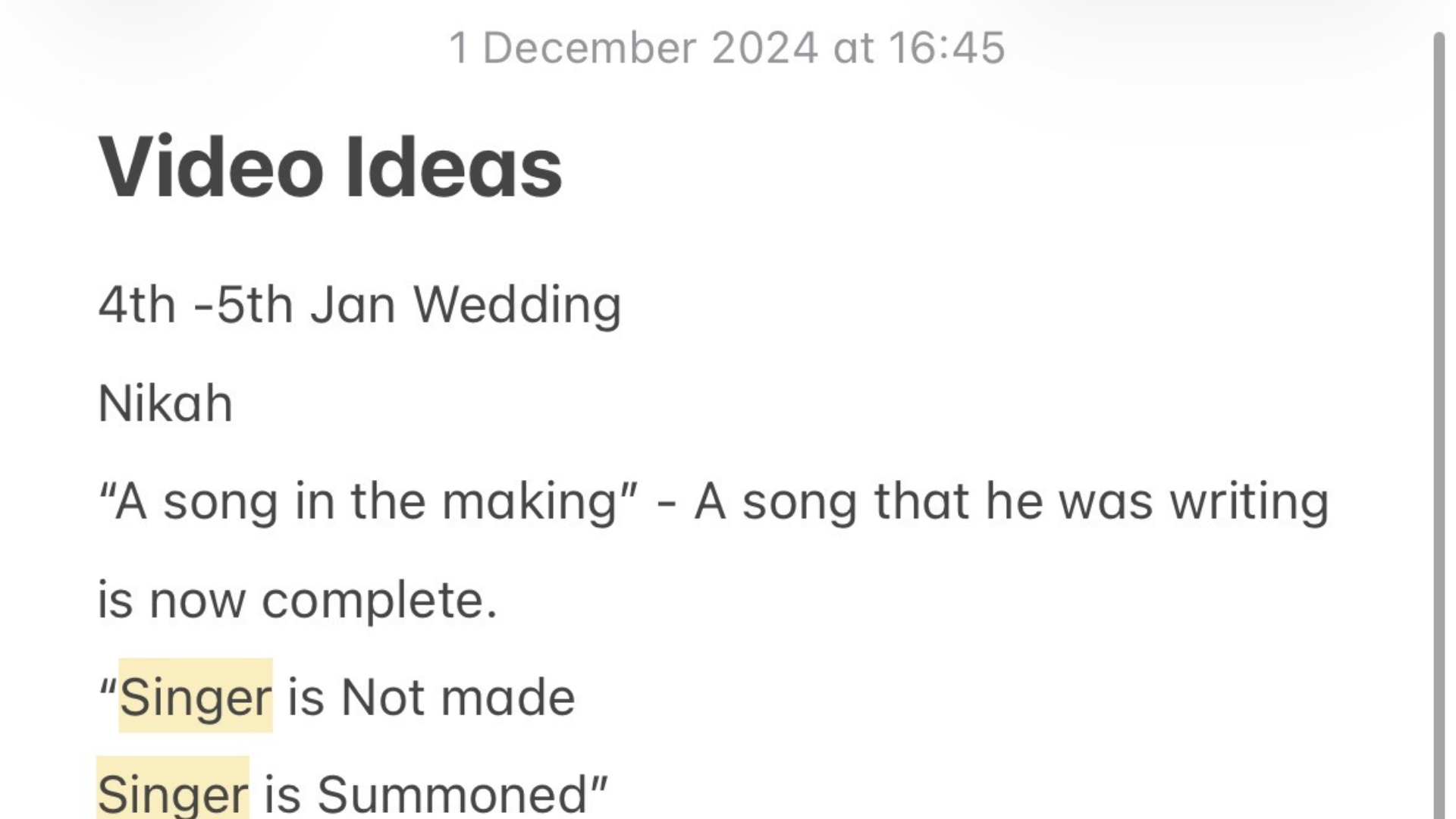
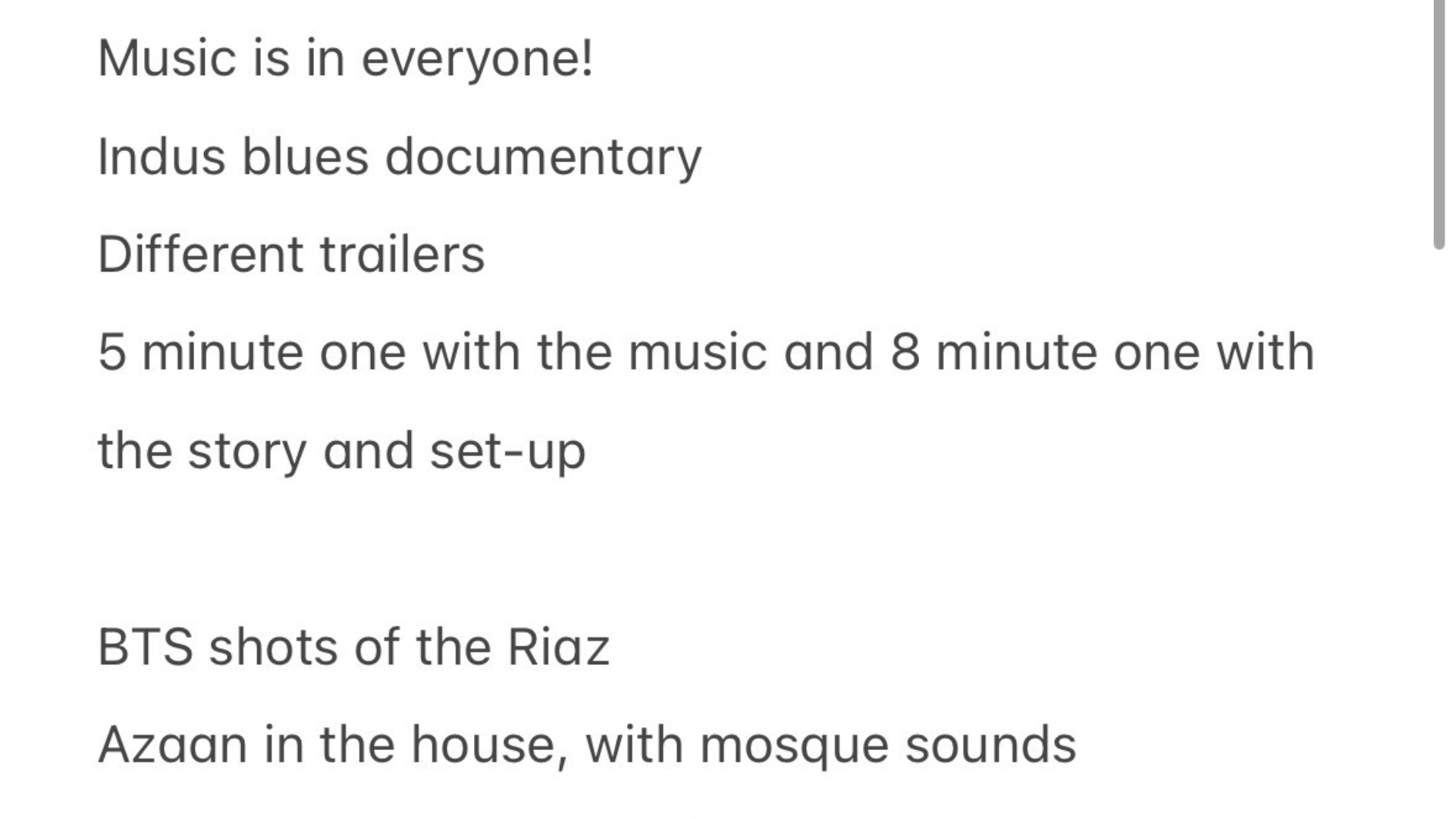
Visual Storyboards
GET IN TOUCH
If you need someone who will actually think about your brief before picking up a camera, plan the production properly, and stay with it until the final frame makes sense, that is what I do. Brand films, destination shoots, concept productions, creative direction. I take on a small number of projects at a time.